

Key points
- This exit from the lab-grown jewellery market may very well become a pivotal chapter in the company’s evolution as it prepares to become a standalone entity once more.
- ” While the jewellery industry grapples with the impact of this closure, De Beers appears to be doubling down on what it does best—selling the allure of rare, naturally formed gemstones.
- The Lightbox facility in Portland, Oregon, originally built to grow diamonds for the jewellery sector, will now be repurposed to focus on industrial applications under Element Six, De Beers’ tech-focused subsidiary.
Gems and Jewellery News: De Beers Closes Lab Grown Diamond Venture Lightbox Signals End of an Era
De Beers Group has officially announced the closure of its lab-grown diamond jewellery brand, Lightbox, marking a significant retreat from a sector it once disrupted. Launched in 2018 with much fanfare and a bold pricing strategy of $800 per carat, Lightbox was De Beers’ calculated attempt to segment factory-made diamonds from their natural counterparts. However, with lab-grown diamond prices plummeting by over 90 percent at wholesale since the brand’s debut, the venture has now been deemed financially untenable.
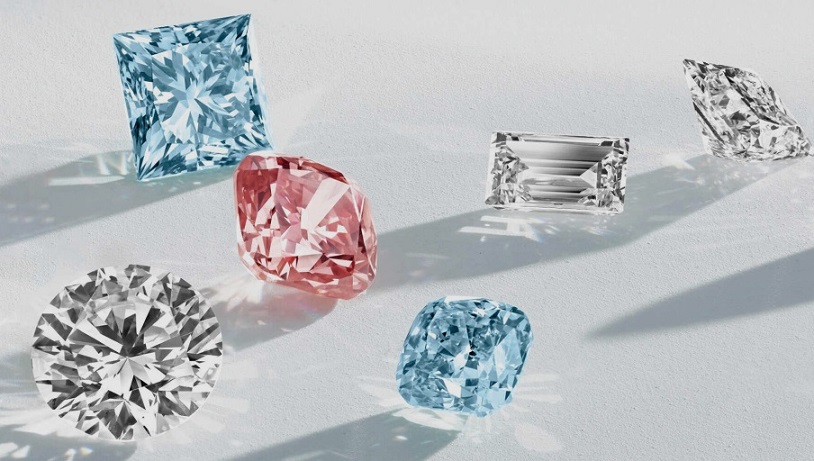
Title: In recent years, the prices of Lab Grown Diamonds has been falling at phenomenal rates.
Image Credit: Lightbox
Al Cook, CEO of De Beers Group, stated that the declining value of lab-grown diamonds underscores the widening divide between natural diamonds and their synthetic alternatives. This Gems and Jewellery News report notes that De Beers is currently in discussions with potential buyers regarding the sale of Lightbox assets, including its inventory.
Why Lightbox Failed to Shine
The purpose behind launching Lightbox was always clear—to position lab-grown diamonds as fashion-oriented, lower-value items, different in purpose and prestige from natural diamonds. Initially, Lightbox shook the industry with its direct-to-consumer transparency and fixed pricing model. Yet, what followed was an oversaturated market, with Chinese manufacturers and even major supermarket chains in the US pushing prices as low as $200 per carat.
The Lightbox facility in Portland, Oregon, originally built to grow diamonds for the jewellery sector, will now be repurposed to focus on industrial applications under Element Six, De Beers’ tech-focused subsidiary. While Lightbox failed to secure a stable retail base, it did help emphasize the value gap between synthetic and natural diamonds—a differentiation De Beers considers mission accomplished.
Reallocating Resources and Refocusing Priorities
The closure aligns with De Beers’ broader Origins Strategy, unveiled in May 2024, which seeks to streamline operations and concentrate on high-return areas, primarily through reinvigorating the appeal of natural diamonds via targeted marketing. As the diamond mining giant prepares for its potential sale by parent company Anglo American plc, shedding loss-making units like Lightbox appears to be a prudent step.
According to recent financial filings, Lightbox reported a staggering $101.3 million loss in 2023, up from $22.3 million the year prior. These figures, exacerbated by the cost of constructing the Portland plant, added to the mounting pressure to shut the business down.
Element Six Rises from the Ashes
While Lightbox winds down, Element Six is being positioned as a key player in the high-tech future of synthetic diamonds. With a solid track record spanning more than 70 years, Element Six will now centralize production at its Oregon site to meet growing demands in industries such as semiconductors and quantum computing. This pivot highlights the immense value synthetic diamonds hold outside the jewellery space, especially in industrial and scientific domains.
De Beers is keen on supporting its partners, employees, and existing Lightbox customers through the transition. The company assures that warranties and after-sales services for past purchases will be honoured even as Lightbox ceases operations.
A Market Disruption Comes Full Circle
Al Cook reflects on Lightbox not as a failure but as a strategic disruption that achieved its core purpose. “Lab-grown diamonds were once priced based on natural diamonds,” he noted. “Now, they are clearly recognized as a separate product category.” While the jewellery industry grapples with the impact of this closure, De Beers appears to be doubling down on what it does best—selling the allure of rare, naturally formed gemstones.
With De Beers now moving full steam ahead toward natural diamond brand-building and with Element Six venturing into booming tech sectors, the company is reshaping its future. This exit from the lab-grown jewellery market may very well become a pivotal chapter in the company’s evolution as it prepares to become a standalone entity once more.
The De Beers Lightbox chapter may be closing, but it has left an indelible mark on the global diamond industry. It forced a pricing reckoning, clarified consumer categories, and ultimately fortified the company’s faith in the timeless value of natural diamonds. For many in the trade, the move is not surprising—especially in light of De Beers’ ongoing restructuring and potential sale. What remains clear is that De Beers is not abandoning synthetic diamonds altogether—it is simply redirecting them toward a more profitable and innovation-driven path.
For the latest Gems and Jewellery News, keep on logging to Bangkok Gems News.