

Key points
- Industry insiders and retail observers point to a mix of unresolved concerns—chief among them the lack of a viable secondary market for diamonds and the increasing number of scams involving lab-grown stones being passed off as natural.
- With growing mistrust in the market, a surge in scams, and a near non-existent resale ecosystem, shoppers in the Thai capital are increasingly staying away from buying diamond jewelry altogether.
- With the resale value of diamonds increasingly questioned and the risk of being scammed on the rise, many Bangkok shoppers are turning to gold instead.
Bangkok Diamonds: Once a staple of wedding dowries, status symbols, and treasured gifts, diamond jewelry is rapidly losing its sparkle in the eyes of Bangkok’s consumers. With growing mistrust in the market, a surge in scams, and a near non-existent resale ecosystem, shoppers in the Thai capital are increasingly staying away from buying diamond jewelry altogether.
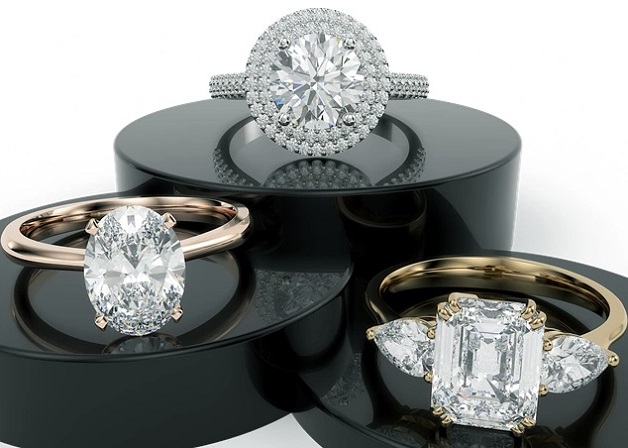
Literally no resale market for diamond jewelry in Bangkok coupled with scams involving mixing natural diamonds with cheaper lab grown diamonds in set jewelry
Image Credit: Pawn Shop Association, Thailand
This Bangkok Diamonds news report reveals a troubling trend: sales of diamond jewelry in the city have declined sharply over the past year. Industry insiders and retail observers point to a mix of unresolved concerns—chief among them the lack of a viable secondary market for diamonds and the increasing number of scams involving lab-grown stones being passed off as natural.
A Shattered Illusion of Investment
While many consumers once believed that diamonds were a sound investment, that illusion has begun to crumble. Unlike gold, which can be easily sold or pawned in times of financial need, diamonds—especially those mounted in jewelry—are proving difficult to resell.
Most traditional jewelry shops in Bangkok no longer offer “buy-back” or “trade-in” options for diamonds, leaving buyers with few options when they want to offload their pieces. This is especially frustrating for individuals who purchased high-priced engagement rings or other diamond-set jewelry thinking they could retrieve some value in the future.
Even when desperate consumers turn to pawnshops, the outcome is disheartening. Many pawnshops no longer assess the value of the diamond itself, instead focusing only on the gold content of the setting. In many cases, the diamond is virtually disregarded, and customers are offered a mere fraction of the original purchase price.
Lab-Grown Scams Tarnish Trust
Trust in the market has been further eroded by a wave of deceptive practices involving lab-grown diamonds. Although synthetic diamonds can be ethical and eco-friendly alternatives, the problem arises when unethical retailers pass them off as natural stones—either entirely or in part.
According to several Bangkok gemologists, some shops are deliberately mixing small lab-grown diamonds (especially those under 0.30 carats) with natural diamonds in jewelry pieces, often as fillers or accent stones. Consumers, without professional-grade equipment or knowledge, cannot distinguish the difference.
“The average customer wouldn’t know they’re buying a ring with mixed-origin stones unless they go to a lab,” said one Bangkok-based gem expert who declined to be named. “And some stores intentionally avoid full disclosure.”
The price gap between lab-grown and mined diamonds continues to widen, which has incentivized some sellers to sneak lab-created stones into what is advertised as fully natural diamond jewelry. These unethical practices are not only fraudulent but are also accelerating the erosion of consumer confidence.
Gold Emerges as the Safer Bet
With the resale value of diamonds increasingly questioned and the risk of being scammed on the rise, many Bangkok shoppers are turning to gold instead. Gold jewelry, especially in the Thai market, retains its value and can be easily liquidated at nearly any gold shop or pawn establishment.
The transparency, liquidity, and trust associated with gold make it a more appealing option for both gifting and investment. In contrast, diamonds—once a symbol of eternal value—are fast becoming liabilities in the eyes of the average consumer.
Calls for Greater Regulation and Transparency
Industry experts and consumer protection advocates are calling for stricter regulations in the diamond retail sector. Some have suggested mandatory certification for all diamonds sold above 0.10 carats, along with clear labeling that distinguishes between natural and lab-grown stones.
Others are proposing a public registry of jewelers who agree to uphold ethical standards and offer fair buy-back programs, hoping this might restore some faith in the market.
Until such measures are taken, however, it seems Bangkok’s diamond trade will continue to suffer from low consumer sentiment, falling sales, and a reputation problem it may not soon recover from.
The Sparkle Fades
What was once a glittering mainstay of Bangkok’s luxury retail landscape now finds itself at a crossroads. As consumers grow more discerning and cautious, only transparency, fair practices, and the creation of a credible resale infrastructure will be able to restore confidence in the city’s diamond jewelry industry.
Bangkok Gems News will continue to monitor the situation of the local Bangkok Diamonds market and provide updates as this evolving crisis unfolds.
For the latest on the local jewelry market, keep on logging to Bangkok Gems News.