

Key points
- Over the past six months alone, many stores report a drop of as much as 60 percent in revenue compared to the same period in 2024.
- Industry insiders from some of the capital’s most prestigious malls and flagship boutiques are sounding the alarm over a dramatic slump in jewelry sales.
- While the high-end market involving jewelry pieces valued at over 2 million baht still shows signs of resilience, even these luxury sales are now driven by a new class of hyper-informed buyers.
Bangkok Gems News: An Industry Once Sparkling Now Struggles to Shine
Once the glittering pride of Bangkok’s luxury retail scene, the city’s jewelry sector is now experiencing a sobering downturn. Industry insiders from some of the capital’s most prestigious malls and flagship boutiques are sounding the alarm over a dramatic slump in jewelry sales. Over the past six months alone, many stores report a drop of as much as 60 percent in revenue compared to the same period in 2024. The sharpest decline is being felt by mid-tier and counter brands selling smaller, lower-priced jewelry pieces—particularly those priced under 300,000 baht.
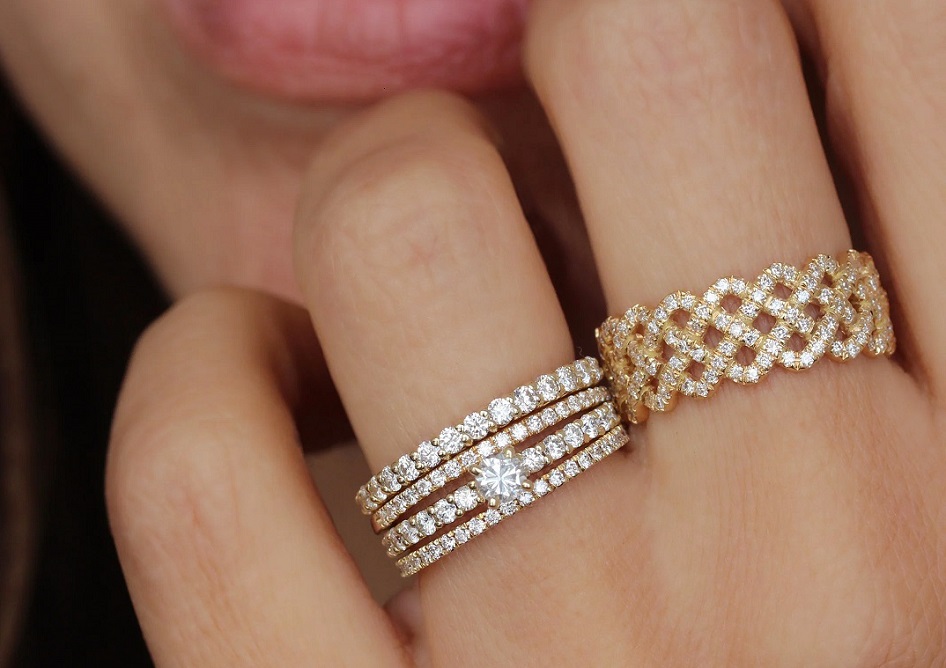
Jewelry pieces with small size diamonds are no longer selling well in the local market
Image Credit: Diamond Express
The changing behavior of Thai consumers is contributing heavily to this dramatic shift. While the high-end market involving jewelry pieces valued at over 2 million baht still shows signs of resilience, even these luxury sales are now driven by a new class of hyper-informed buyers. According to this Bangkok Gems News report, affluent clients now demand only pieces with certified diamonds of at least 2 carats or larger, preferably with lab certificates from reputable international gemological institutions.
Mid-Tier Retailers Hit the Hardest
The worst casualties of this jewelry recession are counter brands and mall kiosks that have traditionally targeted middle-class Thais with more accessible price tags. These smaller retailers are witnessing foot traffic thin out and conversion rates collapse. With gold prices fluctuating and the resale value of low-end jewelry practically non-existent, buyers are increasingly hesitant to make impulse purchases. Instead, they now come armed with questions about carat weight, gold purity, trade-in options, and long-term value—topics that many salespeople were not prepared to address even a year ago.
Pawnshops and secondary markets have only added fuel to the fire. Reports suggest that most smaller pieces, often mass-produced and sold at high markups, now fetch less than 15 percent of their original value when resold or pawned. Thai consumers, particularly the younger, digital-savvy crowd, have caught on quickly. Armed with social media reviews and online comparison tools, they are beginning to recognize just how little value these everyday jewelry items retain once they leave the store.
Luxury Buyers Demand Bigger and Better—With Proof
In stark contrast, Bangkok’s flagship jewelry stores catering to ultra-high-net-worth individuals report that their elite clientele remain active—but with stricter conditions. Sales of large diamond pieces remain stable, but the requirements are far more rigid. Customers expect diamonds of at least 2 carats, GIA or HRD certification, and full documentation including origin, cut quality, and clarity.
Additionally, the growing awareness and skepticism around lab-grown diamonds and synthetic gemstones is altering purchase behavior. While some clients are open to lab-grown stones due to their affordability and environmental benefits, many traditional buyers remain cautious. There is still a widespread perception among older Thai buyers that lab-grown equals lower value—a belief that retailers are struggling to correct.
The Industry Faces a Trust Crisis
Perhaps the most damaging development for the broader jewelry retail market is the growing mistrust. Buyers, especially at the lower end of the market, are beginning to see past the glossy displays and romantic sales pitches. They now want transparency. They demand certification. And above all, they want assurance that their investment won’t vanish in value the moment it leaves the shop floor.
This erosion of blind consumer trust is forcing jewelry brands to rethink their entire retail approach. Some stores are quietly beginning to offer guaranteed buyback options, improved transparency about metal and gem content, and even educational content for first-time buyers. However, experts believe it may take years to rebuild confidence at the lower end of the jewelry market.
What Lies Ahead for Bangkok’s Jewelry Trade
While high-end luxury jewelry retailers may continue to weather the storm, mid-range and budget-focused sellers are now at a critical crossroads. Unless the industry adapts—embracing transparency, certification, and realistic resale guarantees—it risks losing an entire generation of Thai jewelry buyers who now view most purchases as risky and unrewarding.
Retailers must also contend with the rise of younger consumers who prioritize investment-grade value over aesthetics. Without change, the once vibrant heart of Bangkok’s gems and jewelry retail scene could fade further into irrelevance.
The Thai jewelry market, long powered by emotion, cultural symbolism, and a love for sparkle, must now align with economic logic and data-savvy buyer expectations. Retailers that adapt quickly will survive. Those that cling to outdated models may soon find their showcases gathering dust.
For the latest on the local Thai Jewelry Retail market, keep on logging to Bangkok Gems News.