

Key points
- Company in partnership with Altagamma, while high-end fashion, watches, and leather goods are facing slowdowns, jewelry has not only weathered the economic disruption but also emerged as a key growth category in 2024.
- Some of the industry’s biggest players, such as LVMH and Kering, reported declines in overall Q1 revenues—down 2 percent in LVMH’s case—yet jewelry and watch sales remained a rare bright spot.
- As the global luxury industry enters one of its most turbulent phases in the last 15 years, the jewelry sector is shining through the storm.
Gems and Jewellery News: Jewelry Sales Remain Resilient Amid Global Luxury Decline
As the global luxury industry enters one of its most turbulent phases in the last 15 years, the jewelry sector is shining through the storm. According to the latest report by Bain & Company in partnership with Altagamma, while high-end fashion, watches, and leather goods are facing slowdowns, jewelry has not only weathered the economic disruption but also emerged as a key growth category in 2024.
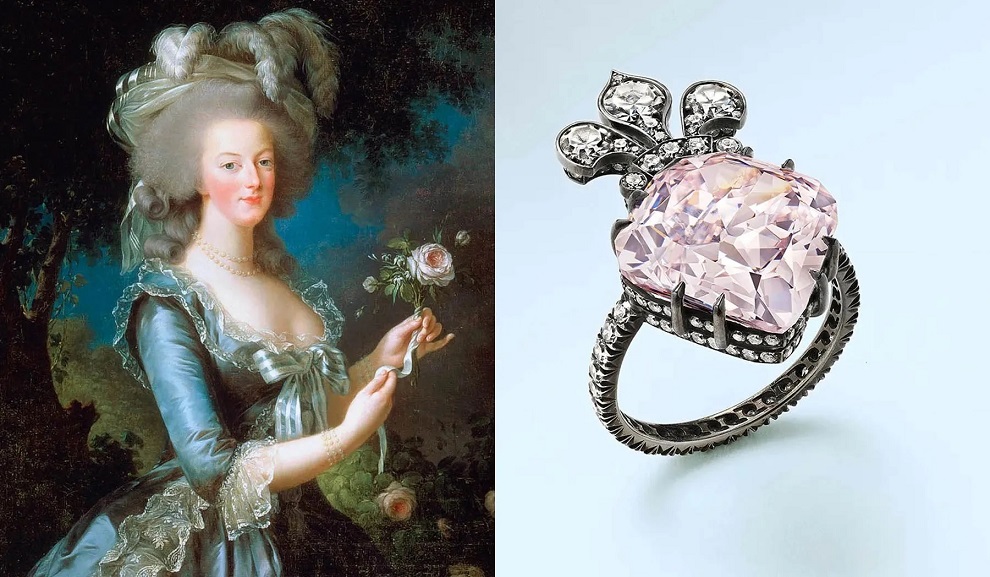
The broader luxury market is currently grappling with multiple pressures including weakening consumer confidence, geopolitical instability, and sluggish economic recovery in major markets such as the United States and China. This Gems and Jewellery News report examines how jewelry continues to outperform other segments despite the sector’s first real slowdown since the 2008–2009 financial crisis, not counting the COVID-19 period.
Luxury Faces Uncertainty but Jewelry Holds Strong
The Bain & Co. report notes that the global personal luxury goods market reached €369 billion ($435 billion) in 2023 but dipped slightly to €364 billion ($429 billion) in 2024. Some of the industry’s biggest players, such as LVMH and Kering, reported declines in overall Q1 revenues—down 2 percent in LVMH’s case—yet jewelry and watch sales remained a rare bright spot.
Kering, struggling with Gucci’s performance, still saw its jewelry houses like Pomellato and Boucheron grow. Tiffany & Co., under LVMH’s umbrella, also contributed to steady performance in the jewelry division.
Bain analysts say the sector is under “intensified pressure” due to currency fluctuations, trade tensions, and volatile markets. But they also note that jewelry’s resilience is built on a foundation of emotional value, timelessness, and increasing demand for self-expression—factors that are less impacted by economic cycles compared to other luxury products.
Polarized Global Demand and the Rise of Local Preferences
The luxury market is now highly polarized across geographies. In the U.S. and mainland China—the world’s two largest luxury markets—demand has softened due to economic headwinds and uncertain consumer sentiment. American shoppers, especially in middle-income brackets, are pulling back while Chinese middle-class buyers adopt a cautious “wait-and-see” stance.
Nevertheless, in both regions, high-end jewelry remains attractive to affluent buyers, and there’s a rising interest in localized luxury—such as Chinese consumers showing curiosity toward newer domestic jewelry brands. Meanwhile, Europe and Japan are affected by declining tourism but continue to see domestic demand for fine jewelry, especially in value-oriented segments.
The report highlights robust performance in the Middle East, Latin America, and Southeast Asia, where emerging wealth and cultural affinity for jewelry continue to drive steady sales.
Generational Shifts and Declining Brand Engagement
Across generations, consumer engagement with luxury brands is evolving. Gen Z consumers are divided between seeking individuality and fitting into perceived norms. Millennials are more financially cautious, while older buyers focus more on meaningful experiences than material goods.
Despite these varied preferences, overall brand engagement has significantly dropped. Bain reveals that brand-related searches are down by over 40 percent, and social media follower growth has nosedived by 90 percent since 2022. Engagement metrics like comments and shares have fallen by 40 percent, largely due to what the report describes as “price fatigue and stagnant creativity.”
In response, luxury brands are reinventing how they interact with consumers. They are investing in experiential retail formats, storytelling-based campaigns, and category expansions to reawaken consumer interest. Jewelry brands are uniquely positioned to capitalize on this trend due to their ability to symbolize emotion, commitment, and tradition.
Category Winners and the Jewelry Edge
The divergence across luxury categories is growing sharper. Jewelry, apparel, and eyewear are still performing well, especially items in the “uber-luxury” and “aspirational” ranges. In contrast, categories like watches, leather goods, and footwear are facing stagnation unless they bring fresh innovation to the table.
Bain emphasizes that even as prices rise by 2 to 3 percent annually, brands are subtly shifting strategies by reinforcing entry-level offerings to attract younger and newer consumers—without compromising exclusivity or brand equity. Jewelry brands that combine authentic craftsmanship with unique narratives are standing out, while traditional brands with generic aesthetics are losing ground to more nimble and culturally resonant competitors.
New Era Requires Stronger Value Propositions
The future of luxury lies in providing deeper value and meaning. The report warns that Gen Z consumers in particular are reassessing their relationship with high-end goods. Price alone is no longer enough—authenticity, sustainability, and cultural relevance now define what makes a brand truly luxurious.
Luxury players must now answer fundamental identity questions. Bain urges brands to revisit their core values, clarify their unique value propositions, and focus on building emotionally rich, long-term relationships with customers—not just transactional loyalty.
Outlook Bright but Reinvention is Key
Despite short-term headwinds, the luxury sector’s long-term outlook remains positive. More than 300 million new luxury buyers are expected to enter the market over the next five years, driven by rising global incomes and intergenerational wealth transfers. A significant portion of these will be Gen Z and Gen Alpha consumers, whose expectations and values are reshaping the industry.
To succeed in this evolving environment, brands must avoid over-reliance on top-spending elites and instead invest in engaging wider audiences with creativity, integrity, and genuine emotional resonance.
This evolution offers a major opportunity for the jewelry sector to further strengthen its position. With its emotional depth, timeless allure, and ability to symbolize identity and status, jewelry may very well be the defining category that leads the next phase of luxury growth.
For the latest Gems and Jewelry News, keep on logging to Bangkok Gems News.