

Key points
- At a time when trust in diamond grading institutions is under scrutiny and other major labs are altering their standards, IGI has chosen to maintain its use of the universal 4Cs—cut, color, clarity, and carat—for both natural and synthetic stones.
- The International Gemological Institute (IGI) has once again stirred controversy in the global gem trade by doubling down on its policy to treat lab-grown diamonds the same as natural ones in its certification process.
- What is clear is that the conversation around lab-grown diamonds is far from over, and the choices made today by major certification bodies will shape consumer sentiment and industry practices for years to come.
Gems and Jewellery News: IGI Sparks Industry Debate Over Grading Integrity
The International Gemological Institute (IGI) has once again stirred controversy in the global gem trade by doubling down on its policy to treat lab-grown diamonds the same as natural ones in its certification process. At a time when trust in diamond grading institutions is under scrutiny and other major labs are altering their standards, IGI has chosen to maintain its use of the universal 4Cs—cut, color, clarity, and carat—for both natural and synthetic stones.
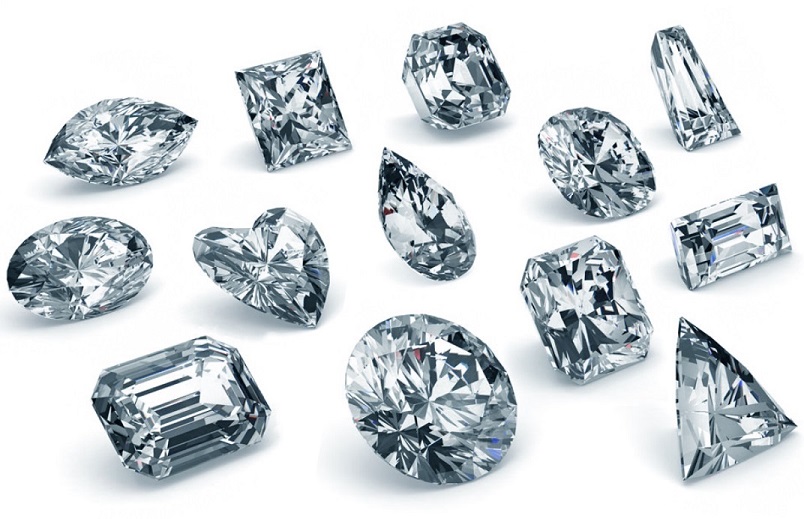
IGI refuses to back down and insist on treating lab-grown diamonds as natural ones
Image Credit: Diamond Express
This Gems and Jewellery News report highlights how IGI’s approach sharply contrasts with the direction many competitors are heading. Labs such as HRD Antwerp have recently distanced themselves from synthetic stones altogether, ceasing certification for loose lab-grown diamonds to reinforce a clearer distinction between natural and artificial gems. The Gemological Institute of America (GIA) has also adjusted its grading model, moving away from traditional 4Cs and instead classifying lab-grown diamonds simply as “premium” or “standard.”
A Growing Backlash Against IGI’s Policy
While IGI emphasizes its commitment to neutrality and transparency, many in the jewelry sector view its stance as one that undermines the industry’s credibility. The initial wave of lab-grown diamonds entering the market caused significant disruption, tanking consumer confidence and affecting pricing structures across the board. Retailers and consumers alike have since begun distancing themselves from labs that continue to blur the lines between natural and synthetic.
Critics argue that IGI’s insistence on equal grading creates confusion, particularly as the visual similarities between lab-grown and mined stones make it harder for consumers to understand what they are truly purchasing. Several industry veterans also believe the continued legitimization of synthetics through high-level grading contributes to declining consumer trust and threatens the traditional value associated with natural diamonds.
Many retailers and more so seasoned consumers are not no longer accepting IGI certifications and even pawnshop operators simply will no longer recognize IGI certs.
IGI Defends Its Independence Amid Shifting Norms
In its defense, IGI maintains that its mission has always been to serve as an independent, third-party certification authority—”unbiased and free from external influence.” This position has allowed the organization to become a major player in the lab-grown segment, which now constitutes a significant portion of its operations.
According to IGI’s own Q1 figures for the current year, the organization’s total revenue climbed 10% to INR 3 billion (approximately USD 35.8 million). Of that, natural diamond certification accounted for just 16% of revenue, while lab-grown diamond grading made up a staggering 54%. These numbers indicate where IGI’s priorities may lie, despite industry efforts to separate lab-grown from legacy traditions.
Ongoing Tensions in the Market
As the debate intensifies, more retailers are reportedly moving away from using IGI labs or recognizing their certificates, citing misalignment with efforts to preserve authenticity and consumer trust. This widening rift underscores a broader identity crisis within the gems and jewelry trade—whether to evolve alongside new technologies or to protect the intrinsic rarity that natural stones have long symbolized.
The future of diamond certification may depend on how the industry finds common ground between modern innovation and traditional value. As it stands, IGI’s approach seems to appeal more to the volume-driven lab-grown sector than the heritage-focused natural market.
Whether the market rewards or penalizes IGI for its stance remains to be seen. What is clear is that the conversation around lab-grown diamonds is far from over, and the choices made today by major certification bodies will shape consumer sentiment and industry practices for years to come.
And for the latest Gems and Jewelry News, keep on logging to Bangkok Gems News.