

Key points
- The world’s diamond industry is entering a transformative phase as global stakeholders rally to defend the prestige and market presence of natural diamonds against the swift ascent of lab-grown alternatives.
- Today, that undercurrent has grown into a flood, with lab-grown diamonds accounting for over 20% of global jewellery sales—especially dominant in the United States, where they now appear in the majority of newly purchased engagement rings.
- Aimed at protecting the value of natural diamonds, this decision was reinforced by a symbolic stunt—filling a gumball machine with lab-grown diamonds to illustrate their commoditization.
Gems and Jewellery News: A Rising Threat and a Unified Response
The world’s diamond industry is entering a transformative phase as global stakeholders rally to defend the prestige and market presence of natural diamonds against the swift ascent of lab-grown alternatives. For years, synthetic diamonds quietly chipped away at the once-unchallenged supremacy of natural stones. Today, that undercurrent has grown into a flood, with lab-grown diamonds accounting for over 20% of global jewellery sales—especially dominant in the United States, where they now appear in the majority of newly purchased engagement rings.
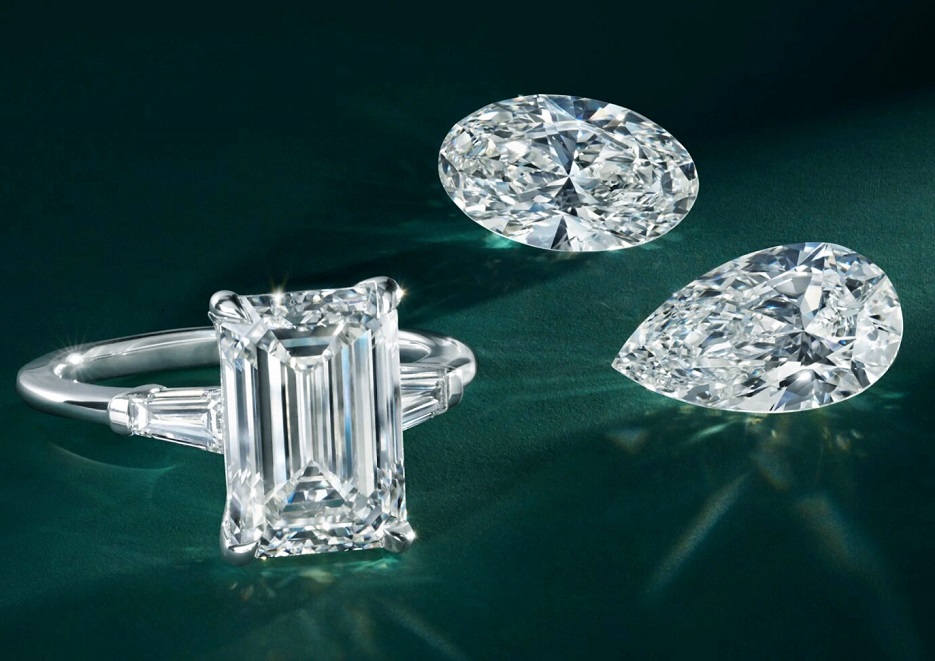
Various organizations and groups are uniting to denounce lab-grown diamonds
Image Credit: De Beers
As prices for lab-grown stones continue to tumble and their visual indistinguishability from natural gems increases, industry leaders are sounding the alarm. Yoram Dvash, President of the World Federation of Diamond Bourses (WFDB), recently issued a stark warning: “This isn’t merely a matter of market share — it’s a cultural shift.” The statement came during the WFDB Presidents’ Meeting held in June, where stakeholders across the diamond value chain—from mining nations to high-end retailers—pledged a rare and united front.
In the heart of this Gems and Jewellery News report lies a defining message: the integrity, emotional value, and cultural significance of natural diamonds are under threat, and defending them demands a global, coordinated effort.
Key Moves Reinforcing the Natural Diamond Revival
A wave of strategic actions and declarations followed the June gathering, underlining the seriousness of the moment.
The Luanda Accord
Signed by a coalition of African diamond-producing countries, this pact marked a new era of commitment. These nations pledged to allocate 1% of their rough diamond revenues to the Natural Diamond Council (NDC). This fund will power a global marketing campaign to restore consumer awareness and appreciation for natural diamonds.
De Beers Steps Up
Mining titan De Beers is returning to its roots with renewed investments in education and emotion-driven branding campaigns. The company plans to remind consumers why natural diamonds remain timeless, unmatched symbols of love, commitment, and rarity.
The Diamond Learning Center Launches Educational Programs
To equip jewellery retailers and front-line sellers with better knowledge and persuasive storytelling tools, the NDC introduced diamondlearningcenter.org. The platform is designed to reframe natural diamonds not just as luxury products, but as emotional and geological marvels.
Retailer Engagement Ramps Up
Major players such as Signet and Chow Tai Fook have voiced their commitment to the revitalisation push. Independent retailers and online sellers are also aligning with this effort to change the industry narrative.
WFDB’s Emotional Campaign
To counter synthetic diamonds’ price-focused marketing, the WFDB unveiled a powerful new video series. These stories spotlight the emotional depth of gifting or receiving a natural diamond—stories of love, legacy, and authenticity that lab-grown stones cannot match.
Certification Shake-Ups Stir the Industry
While storytelling campaigns aim to reconnect consumers with the heritage of natural diamonds, shifts in certification practices are also redrawing the industry’s lines.
HRD Antwerp Exits Lab-Grown Certification
In a major move, Belgian grading laboratory HRD Antwerp announced it will no longer certify loose synthetic diamonds. Aimed at protecting the value of natural diamonds, this decision was reinforced by a symbolic stunt—filling a gumball machine with lab-grown diamonds to illustrate their commoditization.
GIA Breaks Tradition
The Gemological Institute of America (GIA), long revered as the gold standard in diamond grading, will discontinue its use of the traditional 4Cs (cut, color, clarity, carat) for lab-grown diamonds. Instead, these stones will be labeled “premium” or “standard” depending on basic quality benchmarks—or not graded at all if they don’t make the cut. This subtle yet seismic shift is meant to emphasize the core differences between natural and synthetic diamonds.
According to the GIA, “The 4Cs were created to reflect the rarity of natural diamonds. Lab-grown diamonds do not fit that model.” This new stance reinforces the message: lab-grown and natural diamonds are not the same, and they shouldn’t be evaluated using the same system.
IGI Holds the Line
Meanwhile, the International Gemological Institute (IGI) chose not to change its course, stating it would continue grading both natural and synthetic diamonds using the 4Cs. Yet industry insiders suggest IGI’s decision may be rooted in business interests—lab-grown diamond grading reportedly comprises over 50% of its operations. However, many retailers, pawnshops and even diamond wholesalers are now retaliating back by refusing to accept IGI certification as credible and are no longer accepting IGI certifications for any products.
A Shift in Perception and Market Dynamics
Diamond consultant Avi Krawitz notes that the GIA’s previous adoption of the 4Cs for synthetics contributed to lab-grown diamonds gaining legitimacy and market share. Retailers had official GIA reports in hand to assure customers they were buying a comparable product—only cheaper.
Now, with GIA walking back that policy, the natural diamond industry hopes to rebalance the scales. Krawitz believes this shift will reduce the perceived legitimacy of lab-grown diamonds as comparable to natural stones.
Industry analyst Paul Zimnisky concurs but adds nuance. He believes that while many consumers use grading reports as marketing reassurance, most are simply seeking an eye-clean stone and a lower price. The absence of a GIA report may not be a dealbreaker for synthetic buyers, but it will certainly redefine the perceived value hierarchy.
What This Means for the Future of Diamonds
The GIA’s decision also reignites a crucial conversation about the essence of value. Natural diamonds are limited resources, formed over billions of years under extreme geological conditions. Each is a non-renewable artifact with unique internal patterns and histories. They are not just ornaments but irreplaceable heirlooms passed down through generations.
Lab-grown diamonds, by contrast, can be mass-produced, replicated, and replaced. They may mimic appearance, but not origin. And increasingly, consumers are being asked to make this choice consciously.
As Edahn Golan, a diamond market analyst, explains, the future impact of grading will depend largely on how retailers frame their sales pitch. If synthetic stones are sold strictly as aesthetic, budget-friendly pieces, grading may lose relevance. But if retailers attempt to portray them as collectible or investment-grade goods, grading will remain essential.
A Global Push to Reframe the Narrative
The message from the world’s leading diamond organizations is now crystal clear: the time for passive observation is over. A multi-pronged offensive—rooted in emotional storytelling, renewed education, strategic marketing, and redefined certification—is now underway to restore the rightful prestige of natural diamonds.
This strategic pivot is not about rejecting innovation or demonizing technology. It’s about preserving the irreplaceable, the geological marvels that connect humanity to Earth’s ancient past. It’s about ensuring that future generations still understand and appreciate the rare beauty and eternal symbolism of a natural diamond.
As the GIA rolls out its new lab-grown grading protocols later this year, the stage is set for a clearer distinction between what is rare and what is replicable. Other labs are expected to follow suit, further widening the gap between the natural and the manufactured.
Natural diamonds are not simply carbon cut into brilliant shapes. They are nature’s storytelling medium—each one forged in a crucible of time and pressure, waiting to carry personal histories into eternity. With unity, conviction, and clarity of message, the diamond industry is staking its future on these truths—and reminding the world why natural still matters most.
For the latest Gems and Jewellery News, keep on logging to Bangkok Gems News.