

Key points
- Many consumers are unaware that what they are paying for these lab-grown diamonds although is only are fraction of that of the price of natural diamonds, they are still over paying for stones that literally have no value…these days, high quality lab-grown cut and polished diamonds from China and India are actually being wholesaled at rates of between only US$35 to US$140 per carat.
- Some disgruntled consumers have likened the purchase of a lab-grown diamond to buying a luxury car that depreciates the moment it leaves the showroom.
- A growing wave of concern is sweeping across the global jewelry market as well as in Thailand as more consumers come forward claiming they were duped into purchasing lab-grown diamonds under the false assumption that they held long-term value.
Bangkok Gems News: Consumers Misled by the Lab Grown Diamond Hype
A growing wave of concern is sweeping across the global jewelry market as well as in Thailand as more consumers come forward claiming they were duped into purchasing lab-grown diamonds under the false assumption that they held long-term value. Despite being aggressively marketed as a cheaper and more ethical alternative to natural diamonds, these synthetic stones are now revealing a hard truth: they possess almost no resale value.
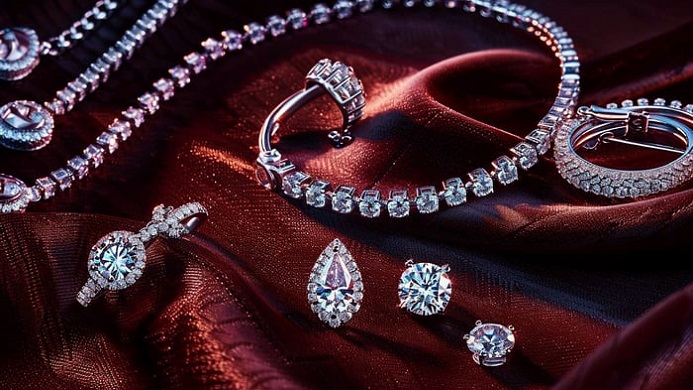
So-called Diamond Jewellery using lab-grown diamonds that are totally worthless!
Image Credit: StockShots
Furthermore, many consumers are unaware that what they are paying for these lab-grown diamonds although is only are fraction of that of the price of natural diamonds, they are still over paying for stones that literally have no value…these days, high quality lab-grown cut and polished diamonds from China and India are actually being wholesaled at rates of between only US$35 to US$140 per carat!
Many unsuspecting buyers believed they were making a smart investment, lured by slick advertising campaigns and seemingly attractive price points. However, as this Bangkok Gems News has discovered, thousands are now learning that pawnshops won’t even accept these synthetic diamonds. Even more alarming is the fact that most jewelry retailers outright refuse to buy them back—leaving consumers with glittering stones that are virtually worthless.
Many shops have sprung up across Bangkok, selling so called ‘diamond jewellery’ using only lab-grown diamonds with designs and craftmanship that is really at par with that of real diamond jewellery. However, these ornaments literally have no value once the customers pays for them and leaves these shops. Some of these no value pieces even have certifications from certain unscrupulous labs, giving the consumers a false sense that they have bought an investment.
Pawnshops Say No While Retailers Close the Door
The reality behind the scenes is sobering. Lab-grown diamonds—produced in a matter of days in high-tech reactors—do not carry the intrinsic rarity that gives natural diamonds their enduring market value. As production technology improves and floods the market with increasingly perfect synthetic stones, their price continues to plummet. Insiders claim the real cost to manufacture a one-carat lab-grown diamond has now dropped to less than US$15 in some facilities in China and India.
Despite this, these diamonds are still being sold to consumers at prices ranging from US$500 to US$5,000 depending on size and brand markup. Once purchased, however, the resale reality is grim. Neither pawnbrokers nor jewelry retailers see any value in them beyond novelty or sentiment.
Retailers Quietly Profit While Customers Lose
Industry critics argue that some jewelers are deliberately keeping consumers in the dark. Many fail to clearly explain the difference between natural and lab-grown diamonds, while others blur the lines entirely in their sales pitches. Terms like “eco-friendly,” “sustainable,” and “conflict-free” are often used to emotionally sway buyers—without disclosing the severe limitations of these gems in terms of market value and long-term investment.
Major retail chains and even independent jewelers enjoy large profit margins on lab-grown stones, especially since the wholesale cost continues to nosedive. The lack of transparency is prompting calls for stricter consumer protection regulations in the jewelry sector.
A Sparkling Illusion That Quickly Fades
For buyers hoping to pass on their diamonds as heirlooms or liquidate them in emergencies, the harsh lesson is this: lab-grown diamonds are not a store of value. Unlike natural diamonds, which are appraised based on their geological rarity, lab-grown stones can be endlessly replicated. This makes them highly disposable in the eyes of the resale market.
Some disgruntled consumers have likened the purchase of a lab-grown diamond to buying a luxury car that depreciates the moment it leaves the showroom. The comparison may not be far off, with anecdotal evidence suggesting many buyers are only able to recover a fraction of the purchase price—if they can find a buyer at all.
Rethinking the Diamond Dilemma
With the jewelry market being reshaped by synthetic stones, consumers are advised to tread carefully. Lab-grown diamonds might appeal to those seeking lower upfront costs or environmental talking points, but their long-term value—monetary or otherwise—is rapidly diminishing. As more cases emerge of buyers left with expensive, unsellable stones, the industry must brace for a backlash.
Jewelry buyers must do their due diligence, ask hard questions, and demand full transparency before spending on lab-grown stones that are, for all practical purposes, worth just a few dollars in today’s production landscape. Until then, thousands more risk being caught in the same glittering trap. For the latest on lab-Grown Diamond scams, keep on logging to Bangkok Gems News.