

Key points
- For Titan, which already has a strong American presence through its brands Tanishq and CaratLane, the move to the Middle East allows it to continue growing in the US market without being crippled by tariffs.
- Thailand, too, is at a disadvantage, with a 19% trade tariff on jewelry entering the US, coupled with additional miscellaneous fees and duties that further hike the overall costs.
- Titan is exploring relocating part of its manufacturing operations to the Middle East, specifically the Gulf Cooperation Council (GCC) countries, in response to rising US trade tariffs on Indian-made products.
Bangkok Gems News: Indian Giants Move to the Gulf for Strategic Reasons
India’s largest jeweler, Titan Company Ltd—part of the Tata Group—has announced a strategic shift that is shaking up the global jewelry trade. Titan is exploring relocating part of its manufacturing operations to the Middle East, specifically the Gulf Cooperation Council (GCC) countries, in response to rising US trade tariffs on Indian-made products. This move comes as the United States recently imposed a steep 25% tariff on jewelry imports from India. In comparison, countries like the United Arab Emirates face only a 10% tariff under current US policies.
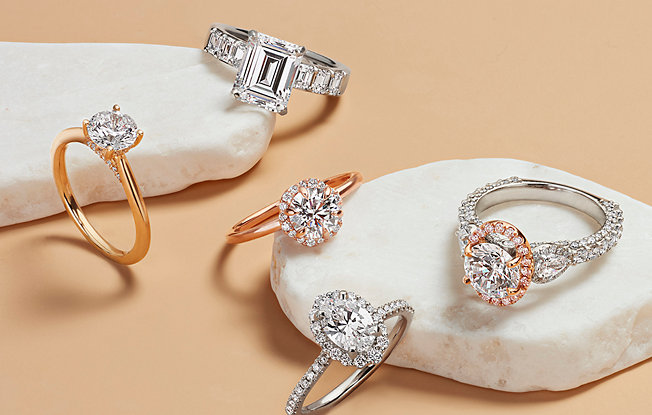
Jewellery exports from Thailand to the United States is like to take a hit with the new tariff structures.
Image Credit: StockShots
In tandem with this decision, Titan has taken a controlling stake in the Dubai-based luxury retailer Damas, which operates 146 stores across the Gulf region. The $283 million acquisition is expected to serve as a launchpad for Titan’s planned manufacturing and retail expansion in the Middle East.
According to Titan Managing Director C.K. Venkataraman, the goal is clear: “If the tariffs remain like what they are currently threatened to be, then any arbitrage on a tariff—any significant arbitrage—would be meaningful for us to consider.” This Bangkok Gems News report highlights that the plan is not just about sidestepping tariffs, but also about tapping into a region that offers production incentives and duty benefits for re-exporting goods to markets like the United States.
Tariff Gaps Provide a Clear Business Case
The numbers don’t lie. Jewelry exports from India to the US are now facing a punishing 25% tariff, whereas UAE-origin goods only attract a 10% levy. Thailand, too, is at a disadvantage, with a 19% trade tariff on jewelry entering the US, coupled with additional miscellaneous fees and duties that further hike the overall costs.
For Titan, which already has a strong American presence through its brands Tanishq and CaratLane, the move to the Middle East allows it to continue growing in the US market without being crippled by tariffs. CaratLane recently launched in the US, and Tanishq is planning major expansion in the region, underscoring the importance of tariff-friendly production hubs.
Many other large and smaller jewellery companies in India are also following suit and setting up manufacturing bases in various Gulf countries where Indian workers can also continue to provide cheap labour.
Why Thai Jewelers Should Follow the Same Playbook
Thai jewelry manufacturers, especially those dependent on the US as their primary export market, should take serious note. Like Indian companies, Thai businesses are also suffering under heavy US tariffs. With American consumers remaining a major market for fine jewelry—particularly high-end, handmade pieces—reducing trade barriers becomes a crucial competitive advantage.
Countries across the Gulf such as the UAE, Bahrain, and Saudi Arabia are aggressively offering incentives to foreign manufacturers, including tax holidays, infrastructure support, and duty-free zones. Dubai’s Jebel Ali Free Zone (JAFZA) and the Dubai Multi Commodities Centre (DMCC) already house several jewelry production hubs and offer seamless export logistics to global markets, including the US and Europe.
By establishing production units in the Middle East, Thai jewelers can benefit from not only lower export tariffs but also easier access to raw materials, streamlined customs procedures, and growing local demand from wealthy Gulf buyers.
Furthermore, Thai labour cost is rising and is no longer competitive whereas there is an ample supply of cheaper Indian workers across the various Gulf countries whose labour rates are more competitive than Thais.
Setting Up in the Gulf Is Easier Than Ever
Several Middle Eastern countries are actively courting foreign investment in the jewelry and luxury goods sector. The UAE, in particular, has made it remarkably easy for companies to set up shop, offering 100% foreign ownership, simplified visa procedures, and favorable banking environments.
For Thai companies known for their craftsmanship and competitive labor costs, combining these strengths with Middle Eastern tax benefits and proximity to high-spending markets like the US and Europe creates a compelling strategic case.
Furthermore, labor skillsets required for fine, artisan jewelry can be imported or trained within these economic zones. The infrastructure is already world-class, and the Gulf’s positioning as a global air and sea logistics hub gives it additional appeal.
A Strategic Pivot Thai Companies Cannot Afford to Ignore
As global trade becomes increasingly shaped by geopolitics, businesses must adapt or risk losing out. The move by India’s Titan signals a larger shift in global jewelry production dynamics—one that forward-thinking Thai jewelers would be wise to follow.
Setting up manufacturing bases in the Middle East offers a practical solution to avoid high US tariffs, improve margins, and remain competitive in key markets. With the US imposing a 19% tariff on Thai jewelry and only 10% on items made in the UAE, the numbers speak for themselves. Thai companies have an opportunity to follow India’s lead—not just to survive but to thrive.
Failing to respond to these trade changes could place Thai jewelry exports at a severe disadvantage, especially as American retailers look for suppliers that can deliver both value and consistency without inflated import costs. The Middle East is not just a workaround; it’s fast becoming the new frontier for global jewelry production. Now is the time for Thailand’s jewelry manufacturers to act decisively and seize this opportunity before their international market share is eroded by more agile global competitors.
For the latest on the global Gems and Jewellery markets, keep on logging to Bangkok Gems News.