

Key points
- One of the biggest problems is the presence of too many “dinosaurs” in both the government and private entities overseeing the fair format and organization and practice of nepotism whereby new comers wanting to contribute or help are excluded out in favour for relatives or friends of the key individuals involved.
- If the Bangkok Gems and Jewelry Fair wants to maintain its position as a global magnet for gemstone commerce, it must adapt to modern trends, tech disruptions, and shifting buyer expectations.
- Hosted in Thailand’s capital, it attracted thousands of buyers from around the world—from luxury retailers and collectors to wholesalers and sourcing agents—all drawn by the promise of access to high-quality colored stones, expert craftsmanship, and unbeatable deals.
Bangkok Gems News: Once the Crown Jewel of the Trade Show Circuit
For decades, the Bangkok Gems and Jewelry Fair (BGJF) stood as the cornerstone of the global gemstone and jewelry calendar. Hosted in Thailand’s capital, it attracted thousands of buyers from around the world—from luxury retailers and collectors to wholesalers and sourcing agents—all drawn by the promise of access to high-quality colored stones, expert craftsmanship, and unbeatable deals. At its peak, BGJF was a must-attend event, especially for buyers seeking sapphires, rubies, and spinels from Thailand and nearby Myanmar or Cambodia.
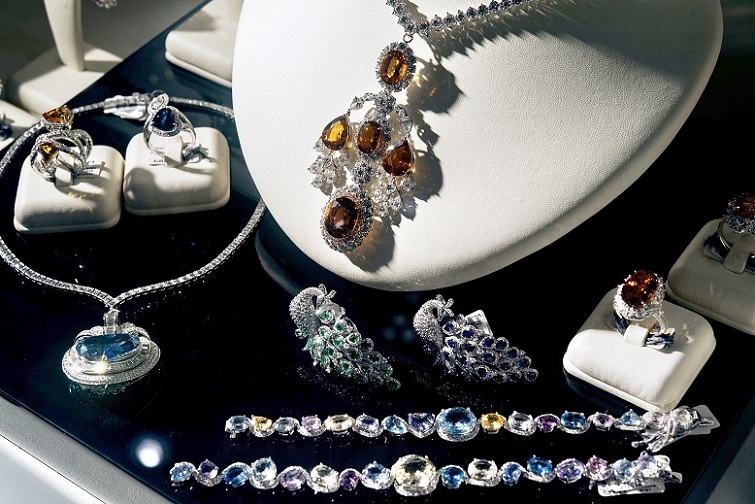
But in recent years, things have changed. Attendance numbers have slipped. Some major international buyers now opt for more specialized or regionally targeted shows. Others have shifted online or toward fairs in Vietnam, India, Middle-East or China. This Bangkok Gems News report investigates whether BGJF still commands the global spotlight—or whether its time at the top may be fading.
The Competition is Rising and Diversifying
Emerging fairs in Ho Chi Minh City, Shenzhen, and even Jakarta are gaining traction, offering smaller, more focused showcases for niche markets. These events appeal especially to newer buyers who want fast-paced, curated experiences instead of sprawling multi-hall expos. Vietnam in particular is becoming a serious competitor, with its growing gem manufacturing base, aggressive export strategies, and government support for its jewelry sector.
Some Thai industry insiders quietly admit that the Bangkok fair has been slow to adapt. While the quality and diversity of Thai gems remain world-class, the fair’s format, marketing, and digital presence haven’t evolved fast enough to keep up with changing buyer behavior and expectations.
Bangkok Still Has an Edge—but For How Long
Despite growing competition, Thailand continues to dominate in certain segments—especially high-grade rubies and heat-treated sapphires, as well as colored gemstone cutting. Many international traders still prefer sourcing from Thai suppliers because of long-standing relationships, reliability, and flexible pricing.
The challenge for BGJF is not quality, but relevance. In a post-COVID, digital-first world, fairs must now offer more than just booths and networking cocktails. Buyers expect hybrid formats, data-driven matchmaking, real-time pricing tools, and global livestream access. BGJF’s traditional structure is starting to feel outdated.
One of the biggest problems is the presence of too many “dinosaurs” in both the government and private entities overseeing the fair format and organization and practice of nepotism whereby new comers wanting to contribute or help are excluded out in favour for relatives or friends of the key individuals involved.
Industry Voices Call for Urgent Innovation
There’s growing pressure on Thai trade officials and private stakeholders to reimagine BGJF—not by abandoning its legacy, but by reengineering it for the next generation. Suggestions include turning the fair into a regional innovation hub, with sections for lab-grown stones, ethical sourcing, blockchain tracking, and AI-driven grading tech or AI driven jewelry designing. There should also be more constant marketing and PR efforts the whole year round for these events and not just for a few weeks before and after the event.
Veteran exhibitor Somchai R., who has attended BGJF since 1994, puts it bluntly: “If Bangkok doesn’t innovate now, we risk becoming irrelevant.” The show every year is the same and boring.
If the Bangkok Gems and Jewelry Fair wants to maintain its position as a global magnet for gemstone commerce, it must adapt to modern trends, tech disruptions, and shifting buyer expectations. The fair still holds value—but only if it chooses to evolve with the market rather than cling to the past.
For the latest on Gems and Jewelry fairs, keep on logging to Bangkok Gems News.