

Key points
- With almost 500 stores in the United States and a third of its sales revenue coming from the American market, Pandora’s deep reliance on Thai manufacturing makes it especially vulnerable to the new trade measures.
- By reducing dependency on a single market or manufacturing location, the jeweller has built in a level of resilience that many competitors lack.
- Pandora jewellery faces a crossroads with most of its production based in Thailand and its biggest market in the United StatesImage Credit.
Bangkok Gems News: Pandora at the Center of a New Trade Clash
The world’s largest jewellery brand, Pandora, is once again navigating turbulent waters as President Donald Trump enforces a sweeping 19 percent tariff on all goods originating from Thailand. For a company that has relied on Thai craftsmanship for nearly four decades, the announcement marks a pivotal moment with potentially far-reaching consequences. With almost 500 stores in the United States and a third of its sales revenue coming from the American market, Pandora’s deep reliance on Thai manufacturing makes it especially vulnerable to the new trade measures. This Bangkok Gems News report looks into how the Danish giant plans to respond to the latest political and economic pressures.
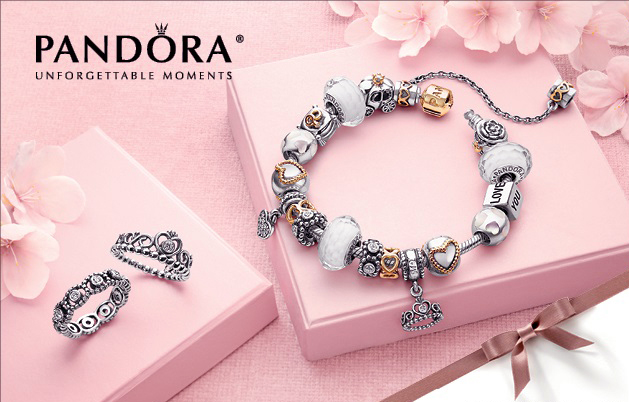
Pandora jewellery faces a crossroads with most of its production based in Thailand and its biggest market in the United States
Image Credit: Pandora
Founded in 1982 and headquartered in Copenhagen, Denmark, Pandora has built an empire on its signature silver charm bracelets and “affordable luxury” appeal. Its three factories in Thailand employ nearly 15,000 skilled artisans, producing over 100 million pieces of jewellery annually. This production hub has been the backbone of Pandora’s global dominance, but the new U.S. tariffs could add up to $135 million in annual costs, threatening profit margins and forcing a rethink of its supply strategy.
A CEO Prepared for Uncertainty
CEO Alexander Lacik, who took the helm in 2019 during a period of corporate decline, has been candid about the unpredictability of U.S. trade policy. While Trump’s tariff plan was initially floated at 36 percent earlier this year and then delayed, the newly confirmed 19 percent levy still represents a serious hit to the bottom line. Lacik admits that “battle readiness” is now part of Pandora’s daily mindset, shaped by years of crises including the COVID-19 pandemic and inflationary pressures.
He has already indicated that price adjustments are inevitable, though the extent of these changes remains under review. Pandora maintains a healthy inventory buffer, allowing it to monitor competitors’ pricing strategies before committing to a long-term adjustment. In the meantime, the company is streamlining its supply chain, rerouting products for markets like Canada and Latin America away from its Baltimore distribution hub to avoid unnecessary U.S. tariff exposure.
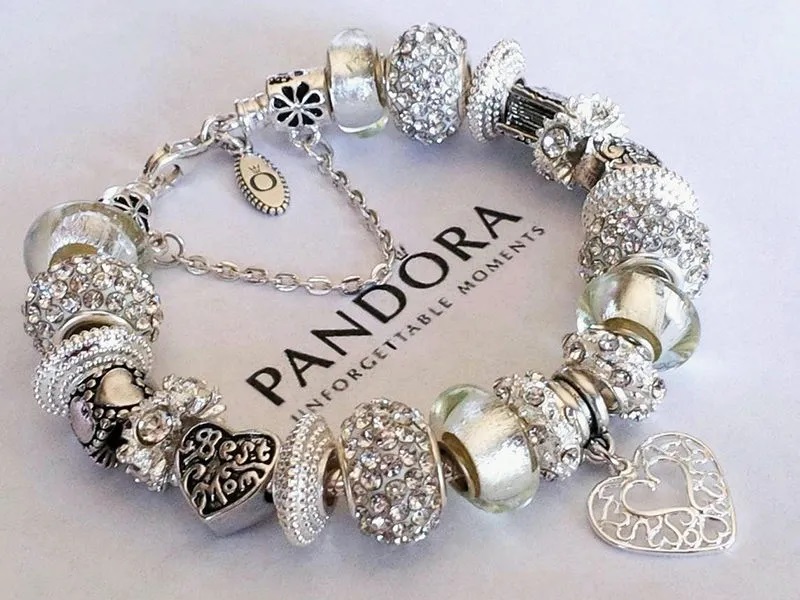
Despite setting alternative production bases in Vietnam, Trump’s tariffs across most countries is creating a stumbling block for Pandora.
Image Credit: Pandora
Supply Chain Resilience and Diversification
Pandora’s reliance on Thailand is balanced by its recent expansion into Vietnam, where a fourth factory is under construction. However, Trump has also imposed tariffs of up to 20 percent on Vietnamese goods, meaning the diversification strategy does not provide any relief. The company has also completely eliminated sourcing from China for store furniture and display materials after earlier tariff hikes in Trump’s first term.
This proactive approach has helped Pandora weather past storms. By reducing dependency on a single market or manufacturing location, the jeweller has built in a level of resilience that many competitors lack. Still, its dependence on the U.S. consumer base means that any major shift in trade costs will inevitably ripple through to pricing and profit forecasts.
The Numbers Behind the Challenge
Pandora’s U.S. revenue reached 9.7 billion Danish kroner ($1.4 billion) last year, cementing America as its most lucrative market. Even modest price hikes could risk alienating customers in a competitive retail environment. The company estimates that the reintroduced higher tariff rates on Thai imports could cost 500 million Danish kroner ($74 million) in 2025 and escalate to 900 million kroner ($135 million) annually thereafter if conditions remain unchanged.
Despite these projections, Lacik is reluctant to commit to drastic strategic changes until the trade environment becomes clearer. “With the information at hand today, I would be crazy to make big strategic decisions,” he remarked, reflecting a cautious approach shared by many multinational CEOs under Trump’s unpredictable trade regime.
A History of Adaptation
When Lacik stepped in as CEO, Pandora’s share price had fallen more than 70 percent from its peak. His turnaround strategy included a complete rebranding, refreshed store layouts, and a push to showcase the brand’s full product range beyond charms. This overhaul helped the company not only recover but thrive, with share prices reaching record highs earlier this year before recent trade tensions triggered a sharp drop.
The pandemic further tested Pandora’s resilience. At the height of global shutdowns, 15,000 retail staff were sent home while some factory workers in Thailand slept on-site to keep production running. These extreme measures underscored the company’s commitment to continuity and operational flexibility—qualities that will be vital in the months ahead.
The Road Ahead for Pandora
Trump’s newly imposed 19 percent tariff on Thai goods is likely to reshape Pandora’s cost structure, supply chain decisions, and pricing models over the next year. While the company remains committed to the U.S. market, rising costs could force Pandora to either absorb part of the impact or pass it on to consumers worldwide. The question now is whether its long-standing reputation for quality and affordability can withstand these changes without losing market share.
The combination of strong brand equity, a loyal customer base, and a diversified production strategy positions Pandora to weather the storm better than most. But the company is entering an era where trade politics may play as significant a role in shaping its future as design innovation and marketing. In an increasingly protectionist environment, the ability to adapt quickly may be the most valuable asset any jewellery company can possess.
For the global jewellery industry, Pandora’s next moves will be closely watched. If it successfully navigates these latest trade barriers, it could set a precedent for how other luxury and mass-market brands respond to politically driven market disruptions. For now, one thing is clear—Pandora has no intention of surrendering its dominance in the American jewellery market, no matter how turbulent the trade winds become.
For the latest on the impacts of Trump’s stupid tariffs on the global jewelry industry, keep on logging to Bangkok Gems News.