

Key points
- This Bangkok Gems News report takes a closer look at the rise of Vietnam’s jewelry industry and how Thai designers and manufacturers are beginning to feel the heat of increased competition.
- Labor wages in Vietnam remain significantly lower than those in Thailand, and the government has recently introduced fresh tax incentives aimed at encouraging foreign investment in manufacturing, including jewelry production.
- Vietnam, with its aggressive new policies, lower labor costs, and government-backed incentives, is rapidly positioning itself as a formidable rival to Thailand’s long-standing dominance in the jewelry manufacturing sector.
Bangkok Gems News: A New Player in Southeast Asia’s Jewelry Map
For decades, Thailand has been regarded as the beating heart of the global colored gemstone and jewelry industry. Bangkok’s cutting houses, polishing workshops, and designer studios set standards that were admired worldwide. Yet today, a quiet but determined competitor is emerging next door. Vietnam, with its aggressive new policies, lower labor costs, and government-backed incentives, is rapidly positioning itself as a formidable rival to Thailand’s long-standing dominance in the jewelry manufacturing sector.
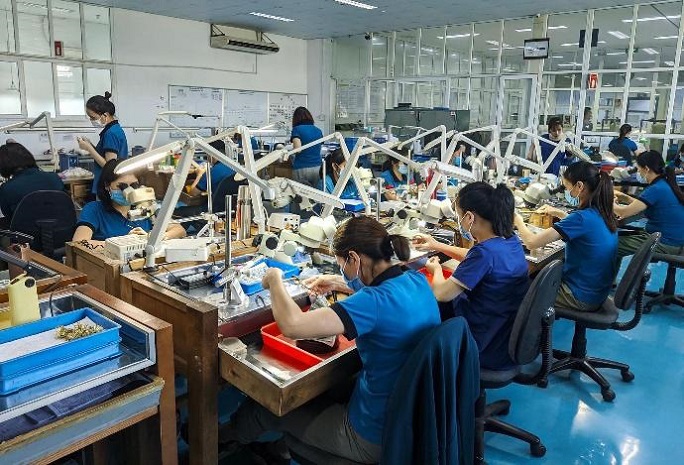
Lots of jewelry manufacturing factories are sprouting across Vietnam as labour is cheap & productive & the government is offering lots of tax concessions.
Image Credit: Kobayashi Vina
What was once seen as a small-scale market is now attracting international buyers and investors. This Bangkok Gems News report takes a closer look at the rise of Vietnam’s jewelry industry and how Thai designers and manufacturers are beginning to feel the heat of increased competition.
The Advantage of Lower Costs and New Incentives
Vietnam’s jewelry sector benefits from one undeniable edge: cost efficiency. Labor wages in Vietnam remain significantly lower than those in Thailand, and the government has recently introduced fresh tax incentives aimed at encouraging foreign investment in manufacturing, including jewelry production.
Productivity of Vietnamese workers also much more than Thai labour and also it has been noted that there are far too many holidays in Thailand, making it less productive than most countries.
Factories in Ho Chi Minh City and Hanoi are scaling up quickly, equipped with modern machinery and staffed by a young workforce eager to enter the luxury goods market. Some international brands, once reliant on Bangkok-based production, are reportedly experimenting with relocating portions of their orders to Vietnam to cut costs.
According to a recent industry report, Vietnam’s jewelry exports grew by more than 25 percent over the past three years, with particular strength in silver and mid-range gold products aimed at younger Asian consumers. The government has also invested heavily in vocational training programs, ensuring that the quality of craftsmanship steadily improves.
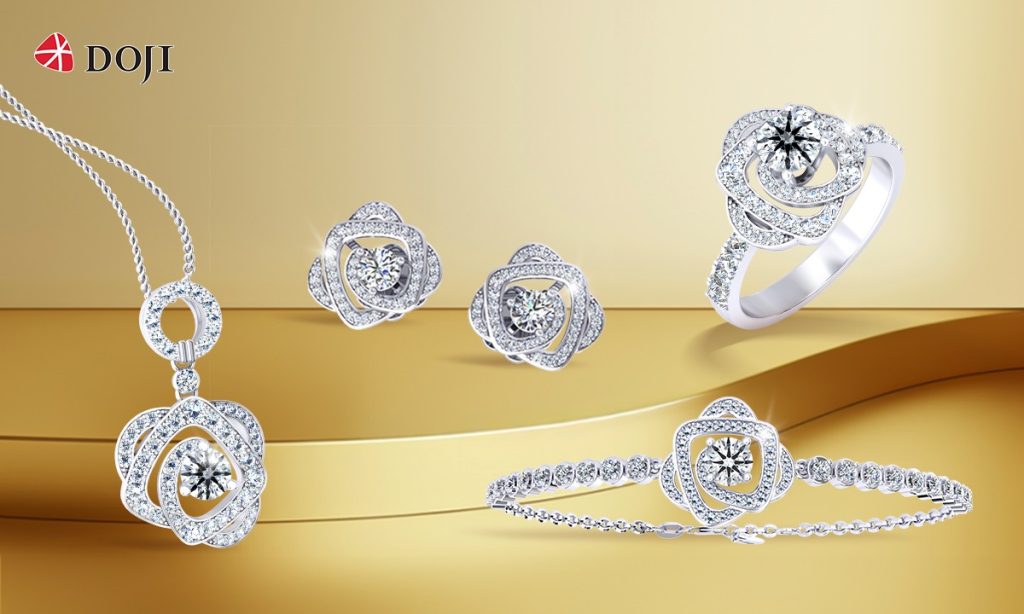
Vietnamese made jewelry is on par with those made in Thailand but cheaper
Image Credit: Doji
Thai Designers Voice Concerns
Veteran Thai jeweler Arun Buranath, known for his intricate sapphire pieces, expressed cautious concern: “We cannot deny that Vietnam is becoming a strong competitor. Their cost structures are attractive, and many buyers care about the bottom line. For Thai artisans like us, the challenge is how to keep differentiating through design and heritage.”
Another Bangkok-based designer, Kamala Chokdee, whose brand focuses on sustainable gold jewelry, added: “Vietnamese manufacturers are catching up fast in terms of quality. They are hungry and ambitious. Thailand has the advantage of decades of experience and reputation, but if we don’t keep innovating, we risk losing our edge.”
For smaller Thai workshops, the pressure is especially intense. Many are already struggling with rising raw material costs and shrinking margins. The fear is that Vietnam’s lower-cost production will lure away middle-market buyers, leaving Thai companies to battle only for the high-end luxury niche.
Shifting Global Supply Chains
The rise of Vietnam is also linked to broader global supply chain shifts. Many Western and Asian brands are rethinking their reliance on single-country production models, particularly after disruptions caused by the pandemic. Vietnam, with its proximity to key markets and reputation for competitive labor, is being positioned as an alternative to both China and Thailand.
Some industry insiders note that Vietnam’s jewelry exports are being buoyed by the country’s growing role in other sectors, such as textiles, footwear, and electronics, where it has already proven itself a capable manufacturing partner. Jewelry may simply be the next step in this expansion.
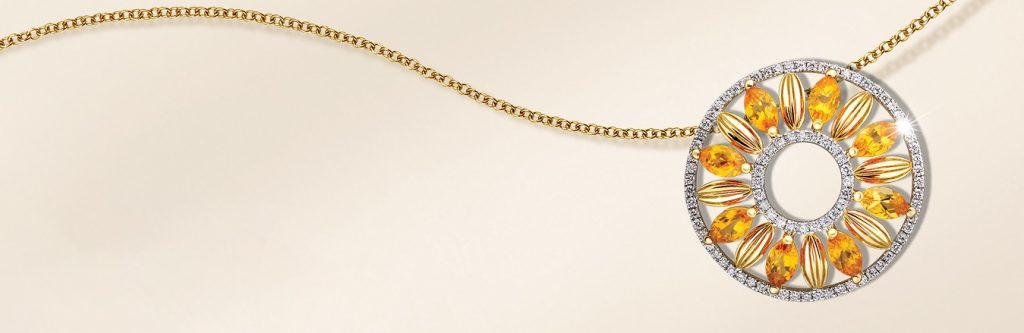
A lot of new talented jewelry designers are also emerging in Vietnam
Image Credit: PNJP
Thailand’s Enduring Strengths
Despite the rising threat, Thailand still holds major advantages. Bangkok remains one of the world’s largest centers for gemstone trading, with unrivaled access to rubies, sapphires, and other colored stones sourced from Myanmar, Sri Lanka, and Africa. The country also boasts a deep heritage of craftsmanship and design expertise that has been cultivated over generations.
Prominent industry voices argue that Thailand’s strategy should not be to compete solely on cost but to emphasize premium quality, heritage branding, and design leadership. “Thai jewelry must position itself as an aspirational product,” said Nithan Kanchana, a gemologist and trade consultant. “Vietnam can win on cost, but Thailand can win on storytelling, trust, and artistic excellence.”
The Road Ahead
Industry observers believe that Thailand needs to double down on innovation, sustainability, and brand building to maintain its global dominance. Leveraging digital platforms to connect directly with international consumers could also be a game-changer, allowing Thai jewelers to bypass middlemen and reinforce the unique value of Thai craftsmanship.
There are also calls for the Thai government to respond to Vietnam’s tax incentives with its own supportive policies. Lowering export tariffs, investing in jewelry education programs, and promoting Thai brands internationally could help ensure that the country remains competitive in an increasingly crowded market.
A Regional Rivalry Takes Shape
The jewelry industry in Southeast Asia is entering a new chapter. Vietnam’s rise represents both a challenge and an opportunity for Thailand. If Thai designers and manufacturers embrace innovation and highlight their heritage, they can withstand the pressure and even elevate their status. If not, the region may witness a historic shift in dominance.
Bangkok’s jewelry sector has faced competition before, from Hong Kong to India, and has always managed to adapt. The question now is whether it can once again rise to the challenge posed by its fast-emerging neighbor. One thing is certain: Vietnam is no longer a minor player, and the rivalry between the two countries will shape the future of the region’s jewelry trade for years to come.
For the latest on competitors to Thailand Jewelry industry, keep on logging to Bangkok Gems News.