

Key points
- Spinel is benefiting from a multi-year surge in recognition, zircon is shaking off its old identity problems to win a new following, and tourmaline—especially the copper-bearing Paraiba variety—is attracting high-net-worth collectors.
- Spinel is one of the other three gemstones that are going to play a dominant role in the jewelry world in 2026.
- Paraiba tourmalines are projected to be one of the three next big players in the gemstone trade and for exports in 2026Image Credit.
Bangkok Color Stones: Why the underdogs are surging now
Move over ruby and sapphire—Thailand’s traders are quietly steering buyers toward three once-underappreciated stones: spinel, zircon, and tourmaline. The timing is right. Thailand’s gem and jewellery exports from January to June 2025 hit over USD 14 billion, rising more than 90 percent year on year. When excluding unwrought gold, the figure stood at USD 7.4 billion, a surge of nearly 63 percent. That rising tide is lifting coloured stones positioned for the next trend wave.
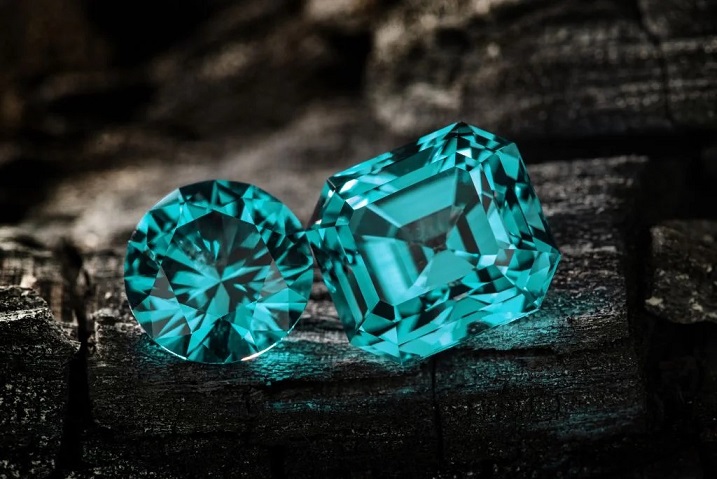
Paraiba tourmalines are projected to be one of the three next big players in the gemstone trade and for exports in 2026
Image Credit: StockShots
Spinel is benefiting from a multi-year surge in recognition, zircon is shaking off its old identity problems to win a new following, and tourmaline—especially the copper-bearing Paraiba variety—is attracting high-net-worth collectors. The momentum is visible across Chanthaburi and Bangkok trading rooms as buyers diversify beyond the traditional “big two” gems. This Bangkok Color Stones news report underscores how traders are capitalizing on a market increasingly drawn to rarity, colour, and provenance storytelling.
Spinel the stealth blue-chip
Designers and collectors have pushed spinel from niche curiosity to modern must-have. Price growth tells the story: vivid pink-to-red stones from Tanzania’s Mahenge region have climbed steadily over the last five years, with fine blues and greys expanding its appeal in men’s jewellery and contemporary bridal markets.
Chanthaburi remains pivotal, serving as Thailand’s central hub for sorting, cutting, and enhancing spinel for global buyers. Traders are highlighting unheated origins, precision cutting, and well-matched pairs to help spinel compete head-to-head with premium rubies and sapphires at comparable price points.
Zircon’s comeback writes itself
For years, zircon’s biggest challenge was consumer confusion with synthetic cubic zirconia. That stigma is fading fast as retailers and trade associations stress zircon’s natural origin and fiery brilliance. Blue zircon now dominates retail demand, accounting for most sales, with heat-treated stones widely accepted in the market.
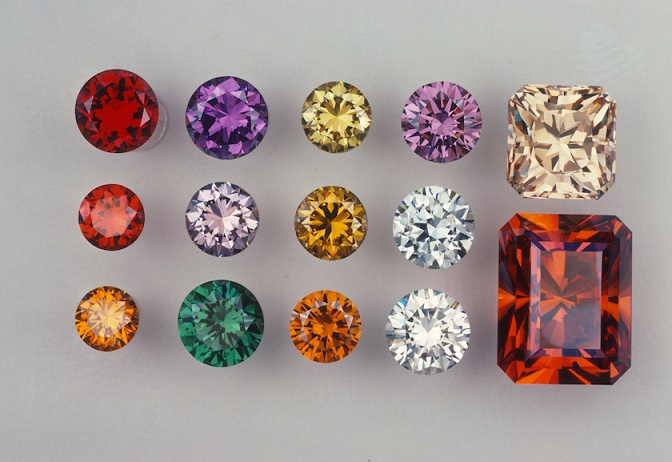
Thai jewellers highlight zircon as an underdog gem gaining global attention beyond ruby and sapphire
Image Credit: StockShots
Thai suppliers, drawing on reliable Cambodian sources and their own cutting expertise, are making zircon more accessible to brand programs and online platforms. Calibrated cuts and consistent supply make zircon an attractive option for design-driven retailers who need volume, colour, and affordability.
Tourmaline led by Paraiba
Tourmaline offers diversity like no other gem. Greens and pinks remain the backbone of commercial ranges, while Paraiba tourmaline—copper-bearing stones with neon blue to turquoise hues—commands elite status. Prices for Paraiba continue to climb due to limited supply from Brazil and Mozambique, yet demand shows no signs of slowing.
Mainstream tourmalines, from peach-toned blends to rubellites, also perform well, offering a wide colour palette for jewellers. This versatility enables Thai exporters to present collections ranging from entry-level to ultra-luxury, positioning tourmaline as one of the most flexible gemstones in the trade.
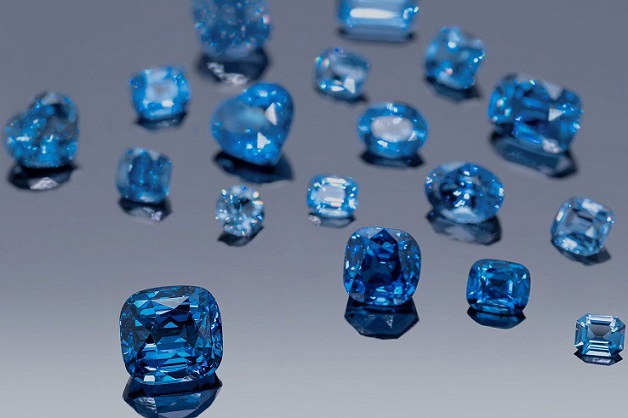
Spinel is one of the other three gemstones that are going to play a dominant role in the jewelry world in 2026.
Image Credit: StockShots
How Thai traders are packaging the pitch
-Story and certification
Stones are increasingly paired with gem lab reports and origin narratives, ensuring confidence and helping justify premium pricing.
-Consistency for brands
Zircon provides dependable supply in calibrated sizes, spinel parcels are curated for colour harmony, and tourmaline offers tiered product ladders from affordable to aspirational.
-Marketing the glow
Exporters are embracing digital marketing, showcasing how spinel sparkles under natural light, how zircon disperses fire, and how Paraiba tourmaline glows with unmatched intensity.
What to watch next
Supply tightness will continue to define pricing in fine spinel and Paraiba. Zircon’s challenge lies in better marketing and cutting standards, while tourmaline must maintain transparency around origin and enhancement to meet luxury buyer expectations. If Thai traders sustain their momentum and keep innovating in design, certification, and storytelling, these three underdogs could move from niche products to pillars of the coloured stone trade.
As the global jewellery market tilts toward colour and authenticity, Thailand is uniquely positioned to lead. Spinel offers a credible alternative to traditional corundum, zircon delivers brilliance with reliability, and tourmaline provides endless versatility. With exports climbing sharply and Chanthaburi’s cutting industry providing speed and consistency, Thai traders have the chance to set the global agenda for coloured gems in the coming years.
For the latest on Bangkok Color Stones, keep on logging to Bangkok Gems News