

Key points
- Lab-grown stones may still have a place in the industry, particularly at the lower end of the market, but for serious collectors and discerning customers, certification is non-negotiable.
- This Bangkok Color Stones news report reveals that traders and collectors alike are demanding transparency, provenance, and ethical sourcing in an industry that once thrived on opacity.
- As whispers of synthetic stones being passed off as natural by some Indian, Chinese, and African dealers grow louder, a new wave of consumer awareness is reshaping the landscape.
Bangkok Color Stones: Jewelry buyers are pushing back against lab-grown stones amid rising concerns over deception and long-term value
The Bangkok colour stone market—long revered as a global hub for fine colored gems ranging from sapphires, rubies, emeralds peridots, tanzanites etc —is undergoing a dramatic transformation. As whispers of synthetic stones being passed off as natural by some Indian, Chinese, and African dealers grow louder, a new wave of consumer awareness is reshaping the landscape. Jewelry buyers are becoming more cautious, with a sharp rise in demand for certified, untreated natural gemstones.
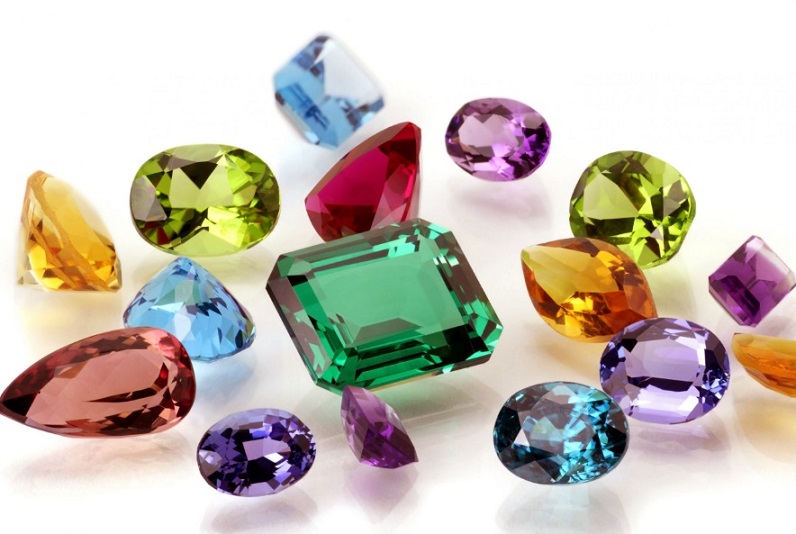
Consumers in Bangkok are increasingly demanding for certified natural color stones
Image Credit: GIA
While the city’s sprawling gemstone district still buzzes with activity, the type of stones changing hands is notably different from just a year ago. Many seasoned retailers are now doubling down on sourcing from verifiable mines and insisting on certification from trusted gemological labs. This Bangkok Color Stones news report reveals that traders and collectors alike are demanding transparency, provenance, and ethical sourcing in an industry that once thrived on opacity.
A Market in Flux as Supply Tightens
The shift isn’t just about ethics or authenticity. It’s economic. With global supply chains tightening and mining operations facing environmental and regulatory hurdles, truly natural, high-quality colored stones are becoming rare. This scarcity is pushing prices up sharply. Since the start of 2025, the cost of premium gems—especially those with verifiable origin and no treatments—has surged across the board.
Emeralds from Colombia, unheated sapphires from Sri Lanka, and Burmese rubies with traceable origins are commanding record prices. And with no major new sources on the horizon, dealers believe the trend will hold.
A New Standard of Trust
Leading the call for change is the push for industry-wide transparency. Organizations like Gemfields have proposed an annual “G-factor” disclosure—a benchmark for ethical and sustainable mining practices. Others are spotlighting the lack of credible online data and the chronic underreporting of gem values, both of which cloud market clarity.
Gemstone authentication labs are now under the spotlight as well. Dealers are frequently using international labs such as GIA, AGL, and GRS to provide the paperwork modern consumers now demand before parting with their baht.
Popular Picks and New Favorites
Natural, untreated fancy sapphires—especially those in unique shapes or with unusual colorations like teal or bi-color—are stealing the limelight. Blue-green tourmalines, rare UV-reactive garnets, and neon spinels are also rapidly growing in popularity. For many buyers, rarity is the new luxury, with natural imperfections embraced as proof of authenticity.
Fears Over Fading and Fraud
A rising number of complaints have surfaced regarding irradiated or chemically treated stones—particularly rubies and sapphires—that fade or change hue over time. This has cast a shadow over many supposedly “high-quality” gems entering the market, especially those lacking proper documentation. Associations like the Bangkok Jewelry Retailers Association are pushing for tighter regulations and full disclosure of any treatments.
Natural Is the New Norm
In both local and international markets, there’s a clear and growing consensus: the future of the colored gemstone trade lies in natural, verifiable gems. Lab-grown stones may still have a place in the industry, particularly at the lower end of the market, but for serious collectors and discerning customers, certification is non-negotiable.
The prestige, rarity, and long-term investment potential of certified natural gems have redefined what the market values. And in a city like Bangkok—where colored gemstones are not just commerce, but culture—the message is being heard loud and clear.
As market watchers and jewelers navigate this new reality, one thing is certain: trust, transparency, and traceability are now the cornerstones of the trade.
The Bangkok coloured stone industry is entering a new era—one shaped by knowledge, ethics, and consumer power. The market is shifting permanently as buyers reject mass-produced synthetics in favor of natural treasures formed deep within the Earth. It’s not just a trend—it’s a transformation with long-lasting effects across the global gem trade.
For the latest on Bangkok Color Stones, keep on logging to Bangkok Gems News.