

Key points
- For the latest on the Gems and Jewelry industry in Thailand, keep on logging to Bangkok Gems News.
- When the G7 and European Union moved to restrict the trade of Russian diamonds in 2024, few imagined how quickly the ripples would be felt in Bangkok.
- Institutions such as the Gem and Jewelry Institute of Thailand (GIT) are stepping into the spotlight, advising traders on compliance and ramping up laboratory capabilities to test origins.
Bangkok Gems News: Global Sanctions with Local Consequences
When the G7 and European Union moved to restrict the trade of Russian diamonds in 2024, few imagined how quickly the ripples would be felt in Bangkok. Yet Thailand, long a major hub for diamond cutting, trading, and jewelry assembly, now faces a new reality in 2025. The sanctions require stricter traceability systems, with retailers and exporters needing to verify the origins of stones above half a carat. For Thailand’s jewelry exporters, these measures mean higher costs, new paperwork, and tighter scrutiny at customs. As this Bangkok Gems News report highlights, the once-fluid flow of stones through Bangkok is encountering barriers that could redefine how supply chains operate.
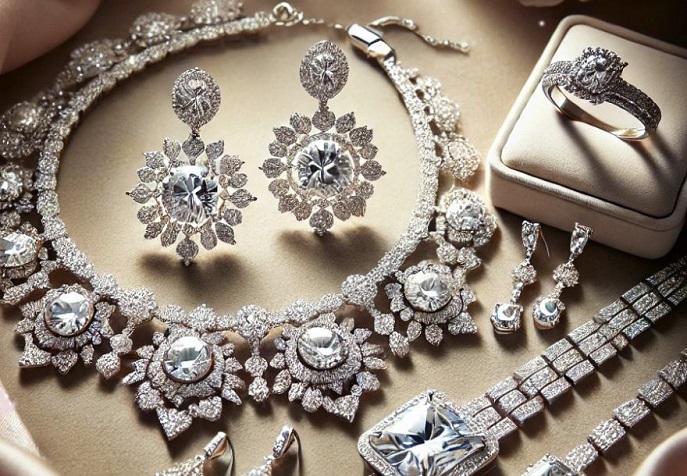
Jewelers in Thailand are just only beginning to experience the burdensome of the diamond sanctions imposed by the G7 last year.
Image Credit: Stock Shots
A Hub in Transition
For decades, Thailand’s diamond sector benefitted from its agility, with importers sourcing stones from Antwerp, Dubai, and Mumbai before cutting and setting them for export. But the new sanction regime is changing those dynamics. Many traders now worry about “conflict by association” if Russian-origin stones slip into their pipelines. Small and mid-sized enterprises, which dominate the Thai jewelry landscape, are finding the costs of compliance burdensome. These businesses must now rely more heavily on recognized certification bodies and government-led traceability programs to maintain credibility with international buyers.
The Role of Thai Institutions
Institutions such as the Gem and Jewelry Institute of Thailand (GIT) are stepping into the spotlight, advising traders on compliance and ramping up laboratory capabilities to test origins. The Thai government, too, is exploring digital certification systems that could link customs records with gem labs, creating a seamless audit trail. Industry insiders argue that while this adds complexity, it could also elevate Thailand’s reputation as a trusted sourcing destination.

Sanctions imposed by the European Union last year on Diamonds from Russia are creating obstacles for many smaller jewellery manufacturers
Image Credit: Stock Shots
Pressure and Opportunity for Jewelers
Large manufacturers, especially those producing for global luxury brands, are already adapting by reconfiguring sourcing networks. Instead of depending heavily on one supplier, companies are diversifying imports from Botswana, Canada, and Australia. At the same time, Thailand is exploring ways to leverage its expertise in colored stones to soften the blow. The growing appetite for rubies and sapphires, which are less affected by sanctions, provides a cushion for exporters seeking to balance their portfolios.
The New Competitive Landscape
Sanctions may ultimately create winners and losers. Well-capitalized firms that can invest in compliance, blockchain-based tracking, and lab partnerships may seize the high ground, positioning themselves as secure gateways for ethical diamonds. Smaller workshops, however, risk being squeezed out if they cannot afford the transition. This shift could reshape Bangkok’s jewelry ecosystem, concentrating power in fewer but stronger players.
The Future of Thai Jewelry in a Sanctioned World
Thailand’s jewelry trade is entering uncharted territory, caught between geopolitical pressures and market expectations. Yet the industry’s long history of resilience suggests adaptation is possible. If Thai firms embrace traceability, partner closely with certification labs, and pivot toward more diverse sourcing, they may emerge not just intact but stronger. The sanctions, while disruptive, could help polish Thailand’s image as a transparent, ethical, and forward-looking jewelry hub. The true test lies in whether smaller players can keep pace with the new rules of the game.
For the latest on the Gems and Jewelry industry in Thailand, keep on logging to Bangkok Gems News.