

Key points
- ” With boutiques across France, England, and Greece—and new openings planned in Dubai—Astrea is positioning itself as a leader in the sustainable luxury segment.
- The Rise of Lab-Grown DiamondsThe global jewelry market is experiencing one of its most dramatic shifts in decades as lab-grown diamonds surge in popularity.
- The latest generation of CVD diamonds is virtually flawless, offering high clarity and color at a fraction of the traditional cost.
Bangkok Gems News: The Rise of Lab-Grown Diamonds
The global jewelry market is experiencing one of its most dramatic shifts in decades as lab-grown diamonds surge in popularity. Once dismissed as artificial substitutes, these ethically produced gems are now redefining what luxury means for modern consumers. From New York to Dubai, Paris to Bangkok, both established brands and emerging designers are embracing lab-grown diamonds as the future of fine jewelry.
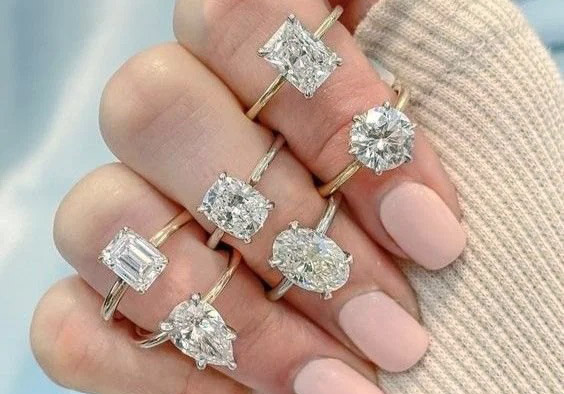
Lab-grown diamonds are redefining modern luxury by combining ethical sourcing, sustainability, and affordability into one shining revolution.
Image Credit: StockShots
In this Bangkok Gems News report, industry experts point to technology, sustainability, and shifting consumer values as the key drivers behind this transformation. The modern buyer—particularly the younger demographic—values ethical sourcing, environmental responsibility, and transparent pricing. This new mindset has propelled lab-grown diamonds from a niche innovation into a booming multibillion-dollar global industry.
Technology Meets Brilliance
Advances in diamond production technologies such as High Pressure High Temperature (HPHT) and Chemical Vapor Deposition (CVD) have revolutionized how diamonds are made. These processes produce stones that are identical to natural diamonds in optical, physical, and chemical properties. The latest generation of CVD diamonds is virtually flawless, offering high clarity and color at a fraction of the traditional cost. As technology improves, production efficiency increases, resulting in higher-quality stones and more diverse jewelry applications.
Sustainability and Ethics Drive Consumer Demand
Modern luxury consumers are more conscious of where their jewelry comes from. Traditional diamond mining has faced years of scrutiny for environmental damage, labor issues, and the lingering shadow of conflict diamonds. Lab-grown diamonds, by contrast, are guaranteed conflict-free and have a significantly smaller environmental footprint. For many buyers, especially millennials and Gen Z, this assurance is a deciding factor. They see lab-grown diamonds as a responsible choice that aligns with their values of sustainability and fairness.
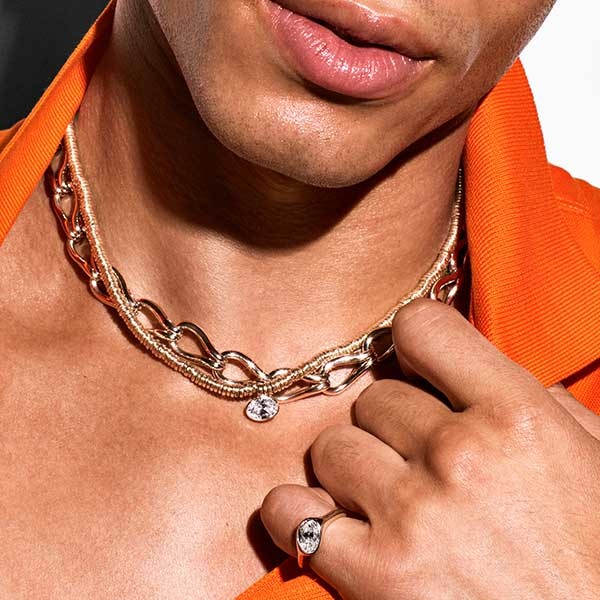
John Hardy’s JH Lovestruck lab-grown diamond collection
Image Credit: John Hardy
Major Brands Embrace the Future
Luxury brands and jewelers worldwide are joining the movement. John Hardy, the renowned Bali-based brand celebrating its 50th anniversary, has launched its first lab-grown diamond line in collaboration with Grammy-winning musicians Billie Eilish and Finneas O’Connell. Creative chairman Reed Krakoff said the collection represents “a comprehensive rethink of what diamonds can be” and aligns with the brand’s history of using reclaimed precious metals and renewable energy. This collaboration signals a powerful message: sustainability and high-end luxury can coexist seamlessly.
New York–based Australian designer Ray Griffiths has also turned to lab-grown diamonds, describing the shift as an inevitable evolution in the jewelry world. “It’s like when Uber disrupted the taxi industry—you can’t fight progress,” he said. Griffiths values the flexibility of lab-grown diamonds, which allow him to create larger, more glamorous pieces without the prohibitive costs of mined stones. “You get the volume and sparkle without breaking the bank,” he noted.
Celebrities and Designers Drive Visibility
Adding even more excitement, London-based Astrea has taken the fashion world by storm by appointing Sarah Jessica Parker as its global creative director and founding partner. The actress and style icon will work with CEO Nathalie Morrison to design a 12-piece collection using premium lab-grown diamonds. Morrison believes the market’s growth is unstoppable: “In 2015, lab-grown diamonds were 1% of the market. In 2021, it was 5%. Today, it’s already 20%.” With boutiques across France, England, and Greece—and new openings planned in Dubai—Astrea is positioning itself as a leader in the sustainable luxury segment.
Affordability Without Sacrificing Quality
Beyond sustainability, affordability is a major attraction. Lab-grown diamonds cost 30–50% less than mined diamonds of comparable quality. This price advantage lets consumers choose larger stones or more intricate designs while staying within budget. In times of economic uncertainty, this value proposition has widened the appeal of diamond jewelry to a broader audience. Shoppers no longer have to choose between luxury and practicality—they can have both.
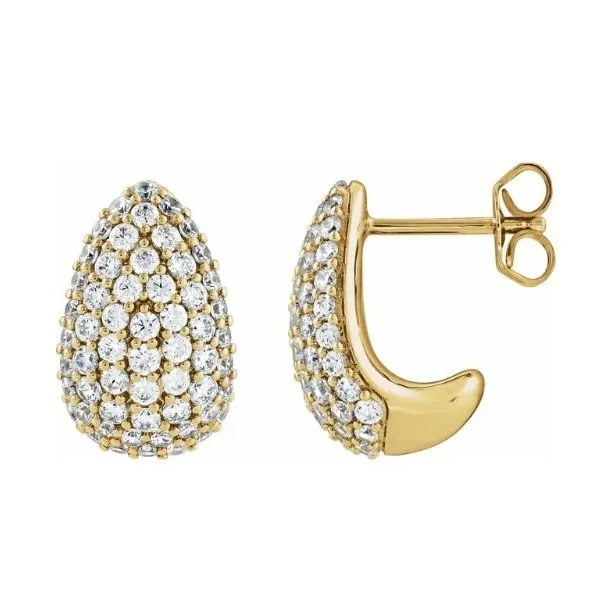
The demand for lab-grown diamond jewellery is growing at an exponential phase
Image Credit: Trinity Jewellers
Transparency and Trust Build Credibility
Gemological institutions like the Gemological Institute of America (GIA) and International Gemological Institute (IGI) now certify lab-grown diamonds using the same grading standards as mined ones. This transparency eliminates doubts about quality and authenticity, reassuring buyers that they are investing in genuine diamonds. The expansion of certified lab-grown options in leading jewelry stores has further boosted consumer confidence.
Design Innovation Expands Creative Freedom
Lab-grown diamonds have unlocked new creative possibilities for designers. Since these gems are more affordable and available in a range of shapes and sizes, jewelers can experiment with bold and unconventional designs. From minimalist engagement rings to avant-garde necklaces, the creative boundaries are expanding rapidly. This democratization of diamond design is reshaping how jewelry is worn—making it accessible not just for milestones but for everyday luxury.
E-Commerce and Global Reach
The rapid rise of e-commerce has played a crucial role in popularizing lab-grown diamonds. Online platforms give consumers easy access to detailed product information, certifications, and reviews. Social media marketing and influencer collaborations have further amplified awareness, turning lab-grown jewelry into a lifestyle statement. With digital transparency, customers feel empowered to make informed and ethical choices—strengthening the long-term momentum of this market.
A Shift That Redefines Luxury
The growth of lab-grown diamonds reflects a broader cultural shift in the meaning of luxury. It’s no longer just about rarity—it’s about responsibility, creativity, and authenticity. Today’s consumers see value not in how deep a diamond was mined but in how consciously it was created. With rapid technological progress, expanding retail acceptance, and mounting consumer enthusiasm, lab-grown diamonds are not a passing trend—they are the new standard of brilliance for a modern world.
Lab-grown diamonds are reshaping the jewelry landscape and inspiring a new generation of jewelers to reimagine what elegance, sustainability, and value truly mean. As more brands and buyers embrace this change, the global jewelry market is witnessing not just evolution—but a revolution that will define the decades ahead.
For the latest on lab-grown diamonds, keep on logging to Bangkok Gems News