

Key points
- The unchecked mixing of lab-grown and natural stones, the loss of trust in secondary markets, and consumer hesitation are combining to create a storm that threatens the very future of the trade.
- The inability to distinguish between natural and lab-grown stones in finished jewelry has led to declining valuations, or in some cases, outright refusal to accept diamond pieces.
- What was once seen as a parallel market has now become an existential threat to the natural diamond trade in the country.
Bangkok Gems News: Rising Concerns Among Thai Consumers
The diamond jewelry industry in Thailand is facing one of its most turbulent periods in recent memory. Lab-grown diamonds, once marketed as affordable alternatives, are now shaking the foundations of consumer trust and market stability. What was once seen as a parallel market has now become an existential threat to the natural diamond trade in the country. According to this Bangkok Gems News report, a growing number of Thai consumers are becoming wary after rumors emerged that many jewelry retailers are quietly mixing lab-grown diamonds into their pieces. Industry insiders claim that anywhere from 10 to 30 percent of stones in certain collections may now be synthetic, eroding confidence in both retailers and suppliers.
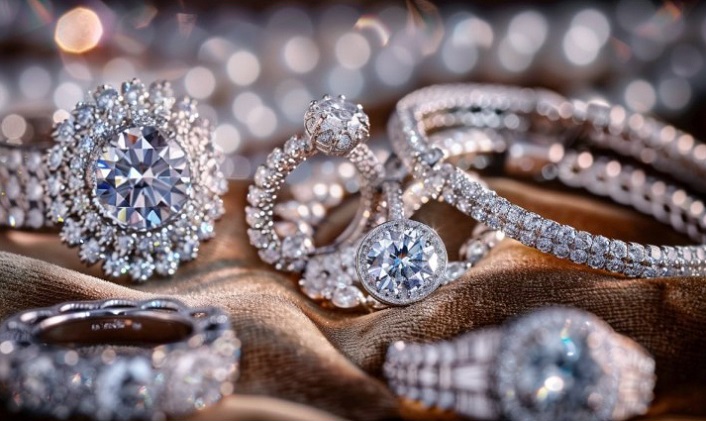
Thai consumers are now getting wary of purchasing diamond jewellery due to rumors of lab-grown diamonds being mixed and included in pieces
Image Credit: StockShots
Unethical practices by manufacturers and suppliers
The issue extends far beyond retail showrooms. Several unscrupulous jewelry manufacturers have been accused of deliberately setting lab-grown diamonds alongside natural stones without disclosing the practice to customers. Even more worrying are the persistent rumors about certain Indian diamond suppliers operating in Thailand. These suppliers are said to be blending lab-grown diamonds into their shipments, particularly in the smaller melee stones, those weighing under 0.2 carats, which are commonly used to accentuate larger jewelry pieces. This practice, if true, poses a serious challenge for jewelers and consumers alike, as identifying lab-grown stones within such small settings requires advanced testing that is costly and time consuming.
Fallout in the secondary diamond market
The ripple effects of this blending practice are now being felt across Thailand’s secondary diamond market. Pawnshops, which once considered diamond jewelry as dependable collateral, are increasingly reluctant to accept such items. The inability to distinguish between natural and lab-grown stones in finished jewelry has led to declining valuations, or in some cases, outright refusal to accept diamond pieces. This has left many Thai consumers frustrated, as their once-valuable jewelry now carries uncertain worth in the resale or pawn sector.
Impact on consumer behavior
For Thai buyers, diamonds have traditionally symbolized both status and long-term investment. However, the blurring of lines between lab-grown and natural stones is shaking this perception. Many consumers now hesitate to make large diamond purchases, fearing future resale difficulties or hidden synthetic content in their jewelry. Industry veterans warn that if transparency and strict certification measures are not enforced soon, trust in the Thai diamond jewelry market could collapse even further.
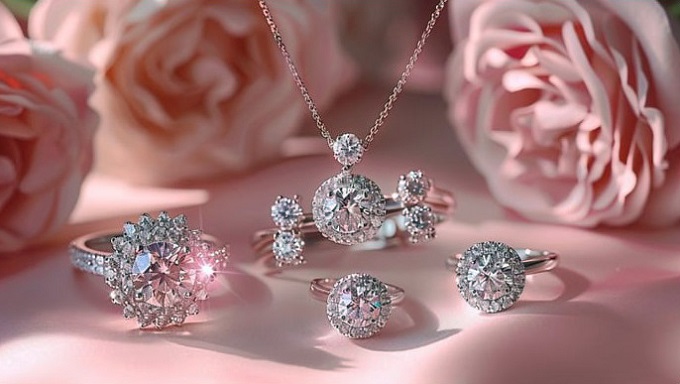
Many pawnshops in Thailand are now refusing to consider diamond values in jewellery pieces but only based their pawn rates on gold weight
Image Credit: StockShots
Industry response and the road ahead
Some retailers are already attempting to counter this crisis by highlighting guarantees of natural origin and offering certification from international gemological laboratories. Yet the costs of such testing, especially for small stones, remain prohibitive for many businesses. Others in the trade argue that stricter regulations and closer monitoring of imports from suppliers are urgently needed. Without industry-wide cooperation, Thailand risks losing its reputation as a trusted hub for diamond jewelry in the region.
Growing debate on lab grown acceptance
While some argue that lab-grown diamonds should simply be embraced as part of the market, the reality in Thailand suggests otherwise. The undisclosed mixing of stones and the resulting damage to consumer confidence are creating deep fractures in the industry. Unlike markets where lab-grown stones are openly sold and marketed as distinct products, Thailand is now grappling with an environment of suspicion and uncertainty.
Final thoughts
Thailand’s diamond and diamond jewelry industry is now at a crossroads. The unchecked mixing of lab-grown and natural stones, the loss of trust in secondary markets, and consumer hesitation are combining to create a storm that threatens the very future of the trade. Unless decisive steps are taken—through transparency, certification, and stricter regulation—the industry risks permanent damage. What was once regarded as a safe luxury purchase is now viewed with skepticism, and unless confidence is restored, diamond jewelry may lose its allure for Thai consumers. The survival of this industry depends on how quickly stakeholders can address the issue and rebuild trust.
For the latest news, keep on logging to Bangkok Gems News.