

Key points
- For an industry built on discretionary spending and global supply chains, the gems and jewelry trade now faces a period of intense uncertainty.
- Local gold and jewelry shop owners are worried that sales is expected to slow as a result of the ripple effects from the warImage Credit.
- In the immediate aftermath of the latest strikes and retaliations, oil prices surged sharply amid fears that vital shipping routes in the Gulf could be disrupted.
Gems and Jewelry News: The escalating conflict involving the United States, Israel and Iran has sent shockwaves far beyond the battlefield, shaking global markets and triggering deep anxiety across the luxury goods sector. As missiles and drones light up skies over key Gulf states and military tensions widen, the ripple effects are already being felt in energy markets, currency exchanges and precious metals trading floors. For an industry built on discretionary spending and global supply chains, the gems and jewelry trade now faces a period of intense uncertainty.
In the immediate aftermath of the latest strikes and retaliations, oil prices surged sharply amid fears that vital shipping routes in the Gulf could be disrupted. Gold, traditionally viewed as a safe haven during times of conflict, also climbed as investors sought protection from volatility. This Gems and Jewelry News report highlights how these twin price surges are likely to reverberate through the entire luxury ecosystem, from mining operations to high-end retail boutiques in major capitals.
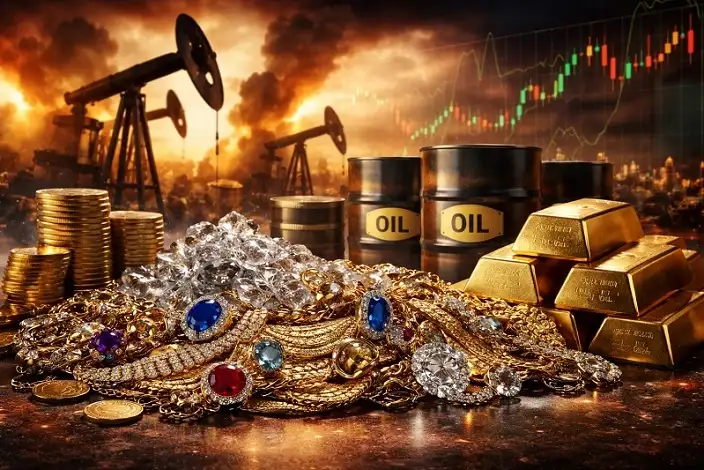
Image Credit: Bangkok Gems News
Oil Shock and Rising Production Costs
The Middle East remains central to global oil production, and any threat to supply corridors such as the Strait of Hormuz instantly tightens energy markets. Higher crude prices translate directly into increased transportation and manufacturing costs. For the gems and jewelry industry, this means more expensive shipping of rough diamonds from Africa, colored gemstones from Asia and precious metals from global refining hubs.
Rising fuel costs will also strain air freight rates, which are heavily relied upon for high-value shipments. Insurance premiums for cargo transiting volatile regions are climbing as well. Even businesses geographically distant from the conflict will feel the impact, as global logistics networks are interconnected and sensitive to disruptions in energy supply.
Gold Prices Climb as Investors Seek Safety
Gold’s rapid ascent in times of war is almost reflexive. As geopolitical tensions deepen, investors reallocate capital from equities and risk assets into bullion. While higher gold prices can initially benefit producers and traders holding inventory, they also create challenges for jewelry manufacturers. Increased raw material costs squeeze margins unless retailers pass those increases on to consumers.

Image Credit: Bangkok Gems News
However, passing on higher prices becomes difficult when economic sentiment is deteriorating. As gold climbs, jewelry retail prices follow, potentially dampening demand in already cautious markets. Volatility in gold markets further complicates pricing strategies for manufacturers and retailers attempting to hedge exposure.
Global Economic Slowdown Looms
Beyond commodities, the broader concern is a further global economic slowdown. Heightened military conflict often leads to reduced business investment, weakened consumer confidence and tighter financial conditions. Stock market volatility, rising inflationary pressures from energy costs and potential interest rate adjustments could collectively reduce disposable incomes.
Luxury purchases, including fine jewelry and high-value gemstones, are typically among the first expenditures consumers postpone during uncertain times. Middle-class buyers may defer engagement rings or anniversary gifts, while ultra-high-net-worth individuals may shift spending toward liquidity preservation rather than conspicuous consumption. This behavioral shift can significantly affect retail turnover in major jewelry markets such as the United States, Europe, China and the Gulf region.
Ripple Effects Across the Supply Chain
The gems and jewelry industry depends on a delicate global chain linking miners, cutters, polishers, designers, wholesalers and retailers. Disruptions in financial markets can tighten credit availability for smaller manufacturers. Trade fairs and exhibitions in key hubs may face cancellations or reduced attendance, impacting deal-making and order placements.
In addition, currencies in emerging markets could weaken against the U.S. dollar, making imports of gold and gemstones more expensive. Small and medium enterprises, already operating on narrow margins, may find themselves under acute financial pressure. Reduced consumer demand combined with rising input costs creates a challenging equation that could persist well beyond the immediate hostilities.
The unfolding war underscores how interconnected geopolitics and luxury commerce truly are. Energy spikes, gold volatility and shrinking consumer confidence form a complex web that threatens to slow global jewelry demand at multiple levels. If the conflict drags on, the combined pressures of higher costs and softer demand could reshape pricing strategies, sourcing decisions and expansion plans across the industry. Stakeholders worldwide will need to exercise caution, diversify supply routes and strengthen financial resilience to navigate what may become one of the most testing periods in recent years.
For the latest Gems and Jewelry News, keep on logging to Bangkok Gems News.