

Key points
- The international diamond industry is nearing a dramatic turning point as multiple market indicators signal that the once-dominant natural diamond sector is about to enter a severe downturn.
- This Bangkok Gems News report can confirm that many retailers are now quietly shifting inventory strategies to avoid being caught in what some analysts call a “value-reset cycle” in the diamond pipeline.
- A perfect storm of declining rough-diamond sales, weak polished-diamond orders, and rising skepticism about traditional pricing models is pushing the natural diamond segment toward what many insiders warn could be a historic collapse.
Bangkok Gems News: The international diamond industry is nearing a dramatic turning point as multiple market indicators signal that the once-dominant natural diamond sector is about to enter a severe downturn. Across major markets, sentiment has turned cautious, demand has softened, and retailers are beginning to openly acknowledge that consumer preferences are changing at a pace never seen before. A perfect storm of declining rough-diamond sales, weak polished-diamond orders, and rising skepticism about traditional pricing models is pushing the natural diamond segment toward what many insiders warn could be a historic collapse.
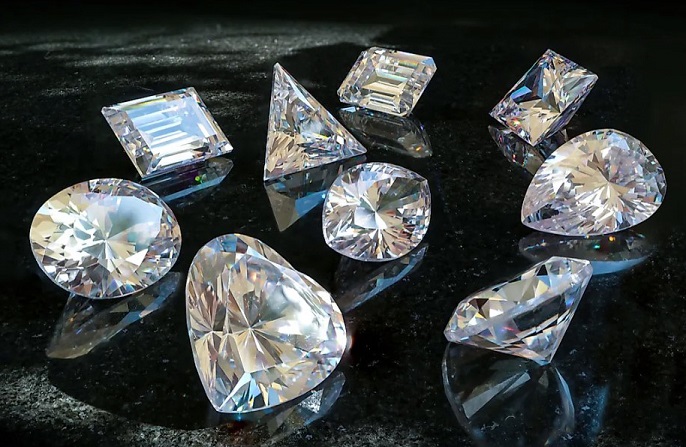
A global shift in buying habits is pushing natural diamonds toward an historic market collapse
Image Credit: StockShots
The situation is especially stark in Asia, Europe, and the United States, where retail sales of natural diamonds have dropped for several consecutive quarters. Even luxury consumers are questioning the real value of mined stones after learning how inflated prices become once middle-party markups are added, particularly through long chains involving Indian polishers and Indian wholesalers.
This Bangkok Gems News report can confirm that many retailers are now quietly shifting inventory strategies to avoid being caught in what some analysts call a “value-reset cycle” in the diamond pipeline.
Lab-Grown Diamonds Transforming Consumer Behavior
One of the strongest forces destabilizing the natural diamond market is the explosive rise of lab-grown diamonds. Younger consumers in particular see them as smarter, more transparent, and more ethically positioned purchases. With visually identical qualities, far lower prices, and fewer sourcing controversies, lab diamonds have emerged as the preferred choice in engagement rings, fashion jewelry, and large-carat designs. Brands that once resisted lab diamonds are now launching full lab-grown collections to remain competitive, signaling how rapidly the shift is accelerating.
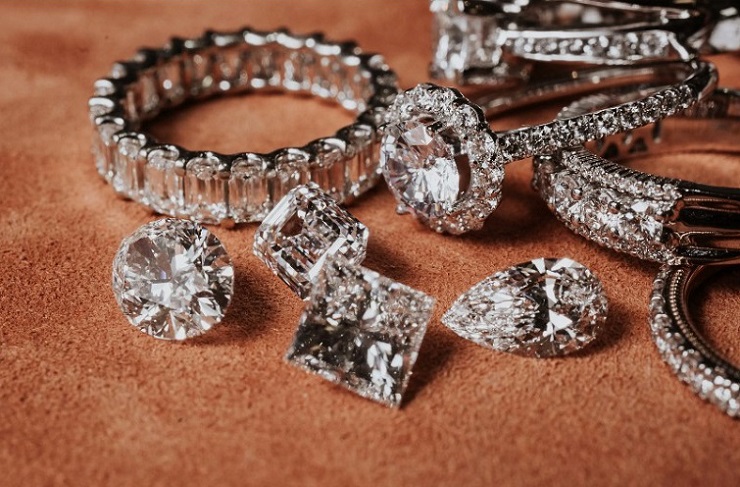
Consumers are now turning to lab-grown diamond jewelry which is far cheaper and are not putting monies into the unethical middle-men
Image Credit: StockShots
At the same time, natural diamond producers are experiencing intense pressure. Major mines are reporting reduced profitability, operational challenges, and in some cases, production cutbacks. Rough-diamond tenders are performing poorly, and buyers are increasingly unwilling to pay premium prices for stones that they fear may lose further value in the coming years. Industry observers point out that these are clear signs of structural weakness rather than temporary disruption.
Lack of a Reliable Resale Market Undermines Confidence
Another critical factor fueling the decline is the long-standing absence of a strong secondary market for natural diamonds. Consumers who attempt to resell their stones often discover that they can recover only a fraction of what they originally paid—sometimes receiving little more than pawn-shop offers. Without a stable, transparent resale ecosystem, natural diamonds have failed to behave like true investment assets, eroding confidence and discouraging new buyers.
This gap contrasts sharply with lab-grown diamonds, where buyers expect minimal resale value and therefore approach the purchase as a design-driven choice rather than a financial one. This mindset further disadvantages natural diamonds, which have historically relied on the promise of rarity and value retention—claims now viewed as marketing rather than reality.
A Market Entering a Profound Reset
The global signals are unmistakable. Natural diamond sales are dropping, inventories are rising, mines are struggling, and rough-diamond auctions are weakening. Meanwhile, sales of lab-grown diamonds continue to surge with exponential momentum. Consumers are more informed, more value-driven, and increasingly aware of how the diamond supply chain—especially the markups created by polishing hubs and wholesalers—has distorted prices. As awareness spreads, pressure on the natural diamond segment is expected to intensify. The coming years may mark a fundamental restructuring of the industry, one that redefines what consumers consider valuable, ethical, and worth paying for in fine jewelry. This shift could leave the natural diamond market permanently smaller while lab-grown alternatives take center stage in global jewelry culture.
For the latest on the Natural Diamond market, keep on logging to Bangkok Gems News.