

Key points
- At the heart of the counterfeit boom is the perception that imitation gold offers a socially acceptable adornment without the prohibitive cost—and without the fear of theft.
- In response, a booming market for imitation gold has swept Bangkok, where retailers hawk gleaming fakes that mimic the real thing but cost a fraction of the price.
- the appeal lies not just in the savings, but in the reduced anxiety — no second-guessing about safety in public transport, social gatherings, or social media exposure.
Bangkok Gems News: Golden Fever Drives Desperate Alternatives
When the price of real gold jewelry in Thailand rocketed to 60,000 baht per baht-weight (roughly US$1,850)—the highest level ever recorded—many consumers found themselves priced out of authentic pieces. In response, a booming market for imitation gold has swept Bangkok, where retailers hawk gleaming fakes that mimic the real thing but cost a fraction of the price. Across the city, these shops report escalating demand and record sales.
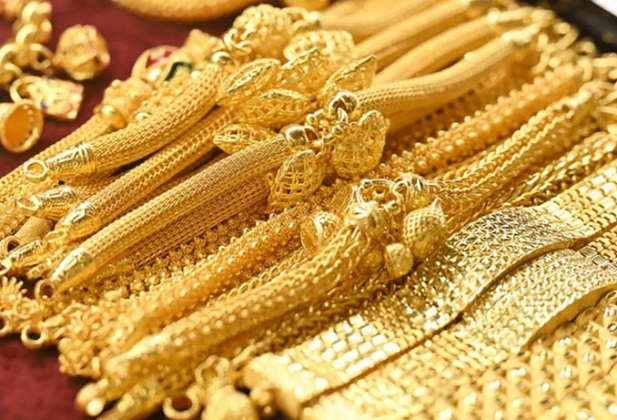
As real gold reaches historic highs, imitation gold jewelry is flying off Bangkok shelves.
Image Credit:StockShots
This Bangkok Gems News report reveals that as genuine gold climbs into stratospheric territory, imitation versions are becoming mainstream substitutes. While real gold once traded in the 40,000–50,000 baht range, the new peaks have triggered a wave of shopping for look-alike jewelry. Blind spots in regulation, consumer desperation, and social pressures have turned fake gold — sometimes called “micron gold” — into a market craze.
Fakes Thrive — But with Guarantees
At the heart of the counterfeit boom is the perception that imitation gold offers a socially acceptable adornment without the prohibitive cost—and without the fear of theft. Some sellers boast improved materials, more refined designs, and even after-sales “warranties” or buyback policies, blurring the line between fraud and commerce. One shop predicted that by year’s end, sales of imitation gold could jump 100–200 percent, prompting owners to triple stock levels in preparation for festivity seasons.
Even amid economic weakness and squeezed purchasing power, many customers now prefer to display fake jewelry in public, while stashing their real gold in safer locations. Others see it as a hedge: sell off real gold when prices are irrationally high, and wear convincing replicas to maintain appearances.
A longtime buyer explains: the appeal lies not just in the savings, but in the reduced anxiety — no second-guessing about safety in public transport, social gatherings, or social media exposure. The fakes offer a “look without the risk,” and for many, that risk mitigation has become a powerful draw.
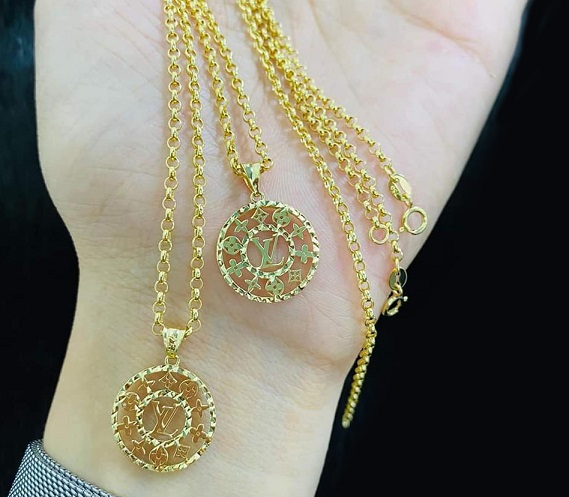
manufacturers of fake or imitation gold jewelry are investing a lot into newer designs and concepts to attract more customers
Image Credit: StockShots
Price Pressure, Profit Pressure
As the real gold market tightens, the profit margins on imitation items widen. Sellers say they have steadily upgraded their materials and production methods to deliver products that resist fading or tarnishing—some claiming durability of up to a year depending on wear. Although these pieces can’t be pawned as real gold, the appearance and polish are convincing enough for many consumers.
Retailers predict a sustained upward trend: a 20–30 percent rise in sales over the next three months, with explosive growth during year-end holidays. Already, many feel they are riding a speculative wave rather than a simple novelty trend.
Yet the risks are manifold. The spread of counterfeit jewelry could erode trust in legitimate jewelry markets. It may create legal vulnerabilities for sellers and buyers alike. And for lower-income consumers, the allure of “cheap gold” might lead to regret when quality fails or warranties collapse.
While fake gold is not new, its mass adoption amid sky-high real gold prices marks a notable shift. Many Bangkok consumers, squeezed by inflation and price surges, are now substituting illusion for investment. As the craze grows, so do questions about regulation, consumer protection, and the long-term stability of both real and imitation gold markets.
For the latest on fake or imitation gold jewelry, keep on logging to Bangkok Gems News.