

Key points
- Bangkok’s gems and jewellery sector is turning its attention westward, seizing a major opportunity in the Middle East as demand for fine jewellery, coloured stones, and luxury gold pieces grows at a remarkable pace.
- This Bangkok Gems News report highlights that the United Arab Emirates has emerged as Thailand’s leading partner in the Middle East region, followed by Saudi Arabia, Qatar, Kuwait, and Oman, all of which are showing a rising appetite for Thai craftsmanship.
- The United Arab Emirates is the top destination for Thai exports, accounting for more than 260 million US dollars in trade value last year, with gold jewellery and polished diamonds forming the bulk of purchases.
Bangkok Gems News: Bangkok’s gems and jewellery sector is turning its attention westward, seizing a major opportunity in the Middle East as demand for fine jewellery, coloured stones, and luxury gold pieces grows at a remarkable pace. In the first half of 2025, Thailand’s gem and jewellery exports excluding unwrought gold surged by almost 70 percent compared to the same period last year, with non-gold exports reaching well over seven billion US dollars in value. This Bangkok Gems News report highlights that the United Arab Emirates has emerged as Thailand’s leading partner in the Middle East region, followed by Saudi Arabia, Qatar, Kuwait, and Oman, all of which are showing a rising appetite for Thai craftsmanship.
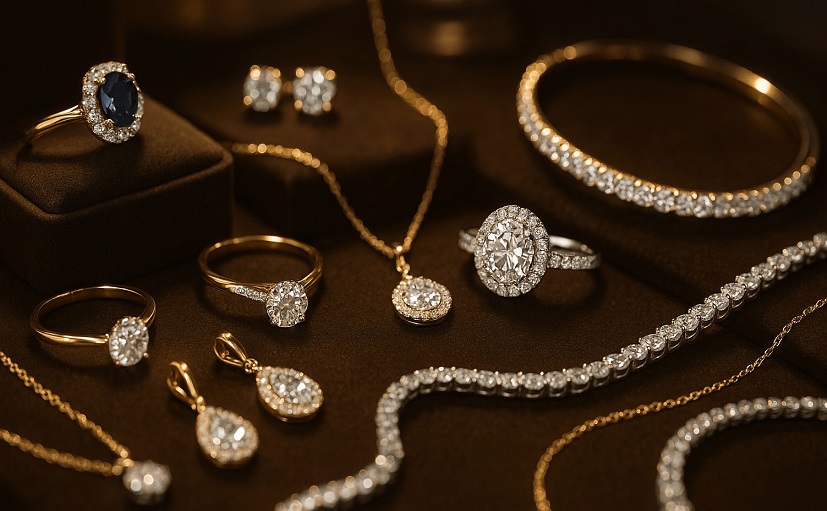
Thai jewellery exports shine brighter as demand rises across the Middle East
Image Credit: StockShots
Key Markets and What Products Sell Best
The United Arab Emirates is the top destination for Thai exports, accounting for more than 260 million US dollars in trade value last year, with gold jewellery and polished diamonds forming the bulk of purchases. Saudi Arabia and Qatar are strengthening their positions as consistent buyers of Thai gold jewellery, favoring modern yet modest luxury pieces that suit regional preferences. At the same time, Kuwait, Oman, and Bahrain are increasingly turning to Thai suppliers for coloured gemstones, lightweight gold designs, and more affordable luxury items that appeal to younger buyers.
How Thai Exporters Are Building Stronger Links
-Trade Agreements and Partnerships
A key driver of this growth is trade cooperation. Economic partnership agreements between Thailand and the UAE are easing customs procedures and reducing tariffs, making Thai products more competitive in regional markets.
-Exhibitions and Global Events
International trade shows are another cornerstone of Thailand’s strategy. The Bangkok Gems and Jewelry Fair and other regional exhibitions are drawing a record number of Middle Eastern buyers. Recent fairs in Bangkok attracted more than forty thousand visitors, generating over one hundred million US dollars in trade value, much of which came from Middle Eastern participants.
Design and Product Tailoring
Thai jewellers are also adapting their designs to meet cultural and consumer preferences in the Middle East. Gold remains the most popular choice, but there is also a growing appetite for coloured gemstones such as rubies, sapphires, and emeralds. Lightweight pieces, modern motifs with cultural significance, and sustainable sourcing are helping Thai producers appeal to both traditional and younger buyers.
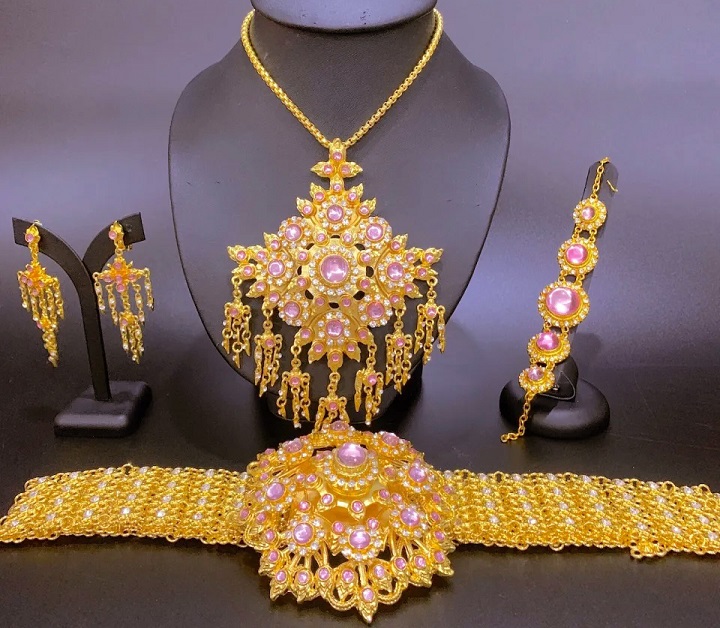
Thai artisans bring timeless designs to a growing audience in the Middle East
Image Credit: StockShots
Challenges on the Horizon
Despite strong growth, challenges remain. Thailand faces stiff competition from traditional jewellery powerhouses such as India, Switzerland, and Belgium, all of which hold significant market share in the Middle East. Logistics, shipping costs, and import duties continue to pose hurdles, while certification, gem authenticity, and ethical sourcing credentials are becoming increasingly important for Middle Eastern consumers. Fluctuations in gold prices and global economic uncertainty also put pressure on exporters’ margins.
Shaping Thailand’s Future in Global Jewellery Trade
The Middle East is fast becoming one of the most critical markets for Thai jewellers. By customizing offerings for regional buyers and ensuring transparent supply chains, Bangkok can strengthen its reputation not only as a production hub but also as a trusted global partner. The sharp increase in non-gold exports proves that Thailand can adapt quickly to shifting demand. With trade fairs and economic agreements supporting the expansion, the industry is poised to make a lasting impact in the Middle Eastern market.
The Road Ahead for Bangkok’s Jewellery Industry
To capitalize on this momentum, Thai jewellers must step up regional marketing efforts, collaborate with local partners, and secure stronger brand recognition in Middle Eastern capitals. Ensuring clear certification and ethical sourcing will be vital to win consumer trust. Participation in regional fairs in Dubai, Sharjah, Riyadh, and Doha will also help refine product lines and expand networks. With demand rising and Thailand showing robust export performance in 2025, Bangkok has a unique opportunity to cement its role as a key global jewellery player.
As the Middle East increasingly turns to Thailand for gold and gemstone jewellery, the sector’s ability to blend luxury with cultural resonance and ethical responsibility will determine its long-term success. If exporters stay the course, Thailand could redefine its position on the world stage, transitioning from a regional hub into a powerhouse of global jewellery trade.
For the latest on the Thai Gems and Jewelry industry, keep on logging to Bangkok Gems News