

Key points
- A popular one-carat round brilliant lab-grown diamond with VS2 clarity and G color, certified by the International Gemological Institute (IGI) and featuring an excellent cut, is now commonly available through major online retailers for between US$400 and US$680.
- At the wholesale level, bulk purchases of standard-quality stones have reportedly fallen to between US$65 and US$220 per carat, depending on order volume, supplier and quality specifications.
- At the same time, some wholesalers have consolidated operations or exited the market altogether, contributing to early signs of price stabilization in selected segments.
Bangkok Gems News: As lab-grown diamonds continue to reshape the global jewellery landscape, prices have fallen to record lows even as consumer demand keeps climbing. The trend is challenging long-held assumptions about luxury, scarcity and value, while opening new opportunities for retailers, manufacturers and buyers worldwide. For Thailand, particularly Bangkok’s internationally recognized gem and jewellery industry, the shift is creating fresh momentum as local businesses embrace the growing appetite for affordable luxury.
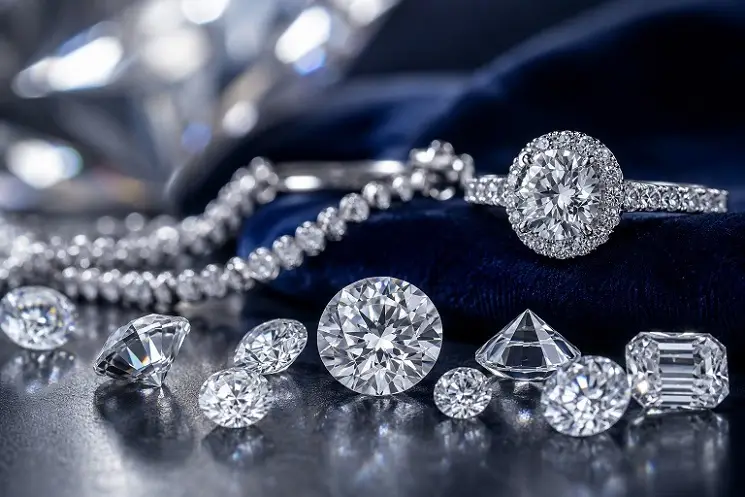
Image Credit: Bangkok Gems News
Latest data analytics shows that average wholesale prices for lab-grown diamonds declined by 15 per cent compared with the same period last year.
This Bangkok Gems News report also highlights that the cumulative wholesale price decline has now reached an astonishing 96 per cent since 2018. Despite the dramatic price correction, consumer demand continues to strengthen, with sales of lab-grown diamond jewellery rising steadily and buyers increasingly choosing larger stones that were once considered financially out of reach.
Wholesale Prices Continue Their Downward Trend
Today’s market reflects an intensely competitive pricing environment that benefits consumers more than ever before. A popular one-carat round brilliant lab-grown diamond with VS2 clarity and G color, certified by the International Gemological Institute (IGI) and featuring an excellent cut, is now commonly available through major online retailers for between US$400 and US$680.
Some direct-to-consumer retailers are offering entry-level stones for as little as US$180 to US$500, while premium certified stones can still command prices above US$800 depending on quality and branding.
At the wholesale level, bulk purchases of standard-quality stones have reportedly fallen to between US$65 and US$220 per carat, depending on order volume, supplier and quality specifications.
These prices represent savings of approximately 80 to 90 per cent compared with comparable natural diamonds, where a similar one-carat stone frequently costs between US$4,000 and US$6,000 or even more.
Larger Diamonds Becoming Increasingly Affordable
The most significant price declines have occurred in larger stones. Wholesale prices for two-carat round lab-grown diamonds have fallen by approximately 22 per cent over the past year, while diamonds weighing between 1.5 and 1.99 carats declined by around 16 per cent.
Interestingly, one-carat round diamonds have remained relatively stable, with certain wholesale categories even recording modest gains of around one per cent. Industry observers attribute this resilience to shifting consumer preferences, as many buyers now view two-carat or larger center stones as realistic purchases thanks to falling production costs.
The ability to purchase larger diamonds without paying traditional premium prices has fundamentally changed consumer buying behavior, especially among younger couples shopping for engagement rings.
Expanding Production Drives Prices Lower
The primary force behind the continued decline in prices is the enormous expansion in global production capacity.
Over the past several years, worldwide manufacturing capacity for lab-grown diamonds has increased by more than 350 per cent, led primarily by producers in China and India. Rapid technological improvements, including faster crystal-growing methods, more efficient reactors and increased automation, have dramatically lowered manufacturing costs.
What was once an expensive and highly specialized production process has evolved into one approaching commodity-style economics. Industry estimates suggest that the marginal production cost for many manufacturers has now fallen well below US$20 per carat!
While demand continues to expand, supply has grown even faster, creating sustained downward pressure on wholesale pricing. Retailers have responded by passing much of these savings directly to consumers while competing aggressively for market share. At the same time, some wholesalers have consolidated operations or exited the market altogether, contributing to early signs of price stabilization in selected segments.
Thailand Positioned to Benefit
For Thailand’s jewellery sector, particularly businesses operating in Bangkok, the changing market presents significant commercial opportunities.
Bangkok has long served as one of Asia’s leading centers for gemstone trading, jewellery manufacturing and international exports. The availability of competitively priced lab-grown diamonds allows Thai jewellers to produce custom-made engagement rings, bridal jewellery and fashion collections that appeal to both domestic buyers and international customers.
Retailers located in established jewellery districts such as Silom and Ratchaprasong are already witnessing increasing interest from younger consumers seeking larger, certified diamonds without the premium price associated with natural stones.
Many local jewellery brands are promoting IGI-certified lab-grown diamonds as attractive alternatives for engagement rings, anniversary gifts and luxury fashion accessories, combining modern design with exceptional value.
Consumer Demand Shows No Signs of Slowing
Lower prices have made lab-grown diamonds accessible to an entirely new generation of buyers.
In the United States, industry estimates indicate that lab-grown diamonds now account for well over half of engagement ring center stones, with many consumers choosing lab-grown diamonds exceeding two carats because affordability is no longer a limiting factor.
The same trend is becoming increasingly visible in Thailand, where consumers in their twenties and thirties are prioritizing value, sustainability and contemporary purchasing decisions. Many appreciate that lab-grown diamonds offer the same optical beauty, durability and chemical composition as natural diamonds while also addressing concerns surrounding environmental impact and conflict-free sourcing.
Furthermore, many consumers now realized that it was the middle-men primarily Indians, Jews, and certain Europeans that made fortunes by keeping the price of natural diamonds high.
With continued growth expected across bridal jewellery, fashion collections and other luxury accessories, analysts project that the global lab-grown diamond market could expand into a multi-billion-dollar industry over the coming years.
Market Outlook Remains Bright
Although prices have fallen dramatically, industry experts believe wholesale values may be approaching their long-term floor as production costs become increasingly efficient.
Some manufacturers in China and the United States have recently increased prices for selected categories of lab-grown rough diamonds, suggesting that parts of the market may already be entering a period of consolidation. Nevertheless, intense retail competition is expected to keep finished jewellery prices highly competitive for consumers.
For Thailand’s jewellery manufacturers, exporters and retailers, this evolving market creates opportunities to expand production, develop customized collections and strengthen the country’s reputation as a leading destination for fine jewellery craftsmanship. Buyers, meanwhile, can enjoy larger, higher-quality diamonds at prices unimaginable only a few years ago. However, consumers should also recognize that unlike natural diamonds, lab-grown diamonds generally retain limited resale value because they are not constrained by natural scarcity. Even so, their combination of beauty, affordability and advancing production technology is transforming luxury ownership, positioning Thailand to play an increasingly important role in one of the jewellery industry’s fastest-growing segments.
For the latest on the lab-grown diamond market in Thailand, keep on logging to Bangkok Gems News.