

Key points
- By the early 2000s, the city had earned a reputation not just as a gem trading hub but also as a center of excellence in stone cutting and polishing.
- Bangkok’s prominence in the gem world can be traced back to the 1980s, when it became the central trading point for rubies from Myanmar, sapphires from Ceylon, and later, a wide variety of colored gems from Africa.
- From the iconic rubies of Chanthaburi to the dazzling sapphires flowing in from Sri Lanka, the Thai capital’s cutting factories and gem markets transformed raw stones into prized jewels that adorned collections across the world.
Bangkok Color Stones: For decades, Bangkok was the undisputed capital of the global colorstone trade. From the iconic rubies of Chanthaburi to the dazzling sapphires flowing in from Sri Lanka, the Thai capital’s cutting factories and gem markets transformed raw stones into prized jewels that adorned collections across the world. But in recent years, that legacy dimmed as the trade landscape shifted. Now, a resurgence is underway—and it’s catching global attention.
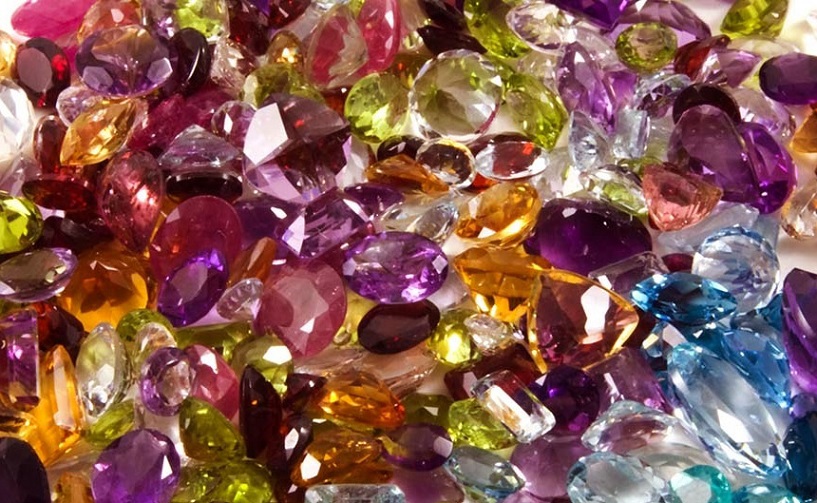
The Thai Color Stone industry is experiencing a quiet yet powerful revival.
Image Credit: Gem Rock auctions
This Bangkok Color Stones news report explores how Thailand’s gemstone sector, once thought to be in decline, is being revitalized through craftsmanship, transparency, and new-generation traders blending old-world expertise with digital innovation.
A Storied Legacy in Stones
Bangkok’s prominence in the gem world can be traced back to the 1980s, when it became the central trading point for rubies from Myanmar, sapphires from Ceylon, and later, a wide variety of colored gems from Africa. The Silom, Surawong, and Bo Bae districts buzzed with activity as international buyers flocked to the capital for the best stones and precision cuts.
By the early 2000s, the city had earned a reputation not just as a gem trading hub but also as a center of excellence in stone cutting and polishing. Thai artisans developed advanced techniques to bring out the best color and clarity, especially in heat-treated stones.
A Dip in Brilliance
However, Bangkok’s dominance began to fade over the last decade. Indian and Chinese cutting centers, armed with cheaper labor and aggressive online strategies, pulled market share away. Meanwhile, the global rise of lab-grown stones, the saturation of synthetic rubies and sapphires, and tightening environmental regulations added new pressure.
Furthermore, many Thai traders became heavily dependent on foreign buyers—particularly from China and the Middle East—making the market vulnerable to economic shifts and travel disruptions, especially during the COVID-19 pandemic.
The Spark of a Revival
Despite these setbacks, the Thai colorstone industry is experiencing a quiet yet powerful revival. Traders are returning to their roots, prioritizing artisanal quality over mass production. Many are now sourcing directly from ethical mines in Madagascar, Mozambique, Tanzania, and Sri Lanka while reviving relationships with small-scale Thai miners in Chanthaburi and Kanchanaburi.
What sets Bangkok apart is its ability to combine sourcing with meticulous cutting and polishing—a process still revered by high-end European and Japanese jewelers. Local gemological training programs and government-backed initiatives like the Bangkok Gems & Jewelry Fair (BGJF) have further fueled this transformation.
Thailand’s Secret Edge Ethical Luxury
In an age where transparency and sustainability influence luxury purchases, Bangkok’s gemstone industry is increasingly leveraging traceability as a selling point. Gem dealers are working with third-party certifiers to ensure origin validation and ethical mining practices. Some are experimenting with blockchain solutions to provide immutable digital records of a stone’s journey from mine to market.
This commitment to “ethical luxury” is helping Thai stones regain ground in premium Western and Japanese markets, where responsible sourcing has become a non-negotiable requirement.
The Rise of the New-Gen Traders
A fresh generation of Thai gem dealers is injecting new life into the industry. These entrepreneurs, many of whom are heirs to long-standing family businesses, are blending traditional skills with modern tools: digital storefronts, Instagram showcases, and educational YouTube channels offering gem-buying tips.
Some are even conducting virtual stone viewings for overseas clients, making Bangkok’s colorstones accessible to international buyers without the need for travel.
Challenges Ahead
The revival is not without its hurdles. Lab-grown gems continue to challenge pricing structures. Thailand lacks a centralized gem certification standard comparable to GIA or IGI, which could hinder international trust. And reliance on imported raw materials still leaves the market exposed to global disruptions.
Nevertheless, Thailand’s advantage in cutting, ethical practices, and reputation for quality may help it not only survive but thrive in the changing gem economy.
A Glittering Future
Bangkok is once again asserting itself as a formidable player in the colorstone world. Through a strategic blend of heritage, innovation, and ethics, Thai traders are showing the world that the heart of the global gem trade can still beat strong in the Thai capital.
If the momentum continues, Bangkok may soon be known not just for its history in gems—but for shaping the future of the industry.
Stay tuned to Bangkok Gems News for more updates from the vibrant world of Bangkok Color Stones.