

Key points
- Indonesia has firmly established itself as the driving force behind Southeast Asia’s gold and jewelry industry, posting exceptional growth in bullion demand while reinforcing its position as one of the world’s strongest-performing precious metals markets.
- Newly released figures reveal that Indonesian consumers purchased more gold bars and coins during the first half of the year than the combined totals recorded by Thailand and Vietnam, highlighting the country’s growing influence across the regional gold trade.
- Authorities are focusing on businesses suspected of failing to properly declare imported luxury goods or meet tax obligations, demonstrating the government’s commitment to improving transparency and regulatory compliance throughout the industry.
Indonesia has firmly established itself as the driving force behind Southeast Asia’s gold and jewelry industry, posting exceptional growth in bullion demand while reinforcing its position as one of the world’s strongest-performing precious metals markets. Newly released figures reveal that Indonesian consumers purchased more gold bars and coins during the first half of the year than the combined totals recorded by Thailand and Vietnam, highlighting the country’s growing influence across the regional gold trade.
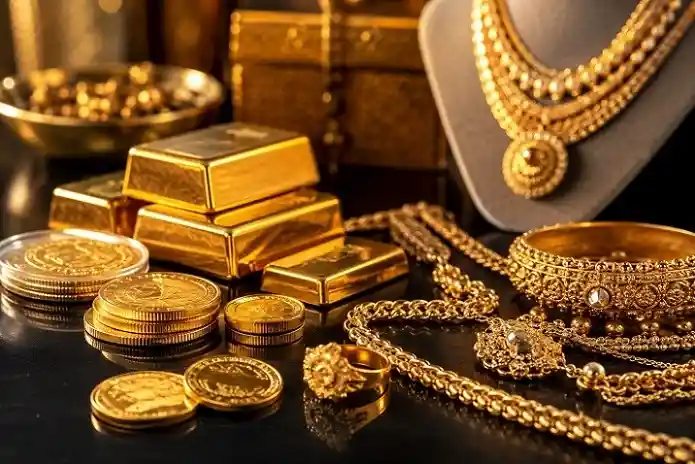
Image Credit: Bangkok Gems News
During the first six months of the year, Indonesia recorded gold bar and coin sales totaling 38.1 tonnes, comfortably exceeding the combined 36.5 tonnes purchased in Thailand and Vietnam. This Gems and Jewelry News report also highlights that Indonesia’s bullion demand was more than triple the combined total of Malaysia and Singapore, which together accounted for only 12.1 tonnes. The figures underscore the country’s expanding role as Southeast Asia’s dominant gold investment market and reinforce its growing importance within the global precious metals industry.
Indonesia Sets the Regional Pace
Indonesia’s remarkable performance continued throughout the second quarter, when the country recorded 14.5 tonnes in gold bar and coin sales, making it the largest bullion market in Southeast Asia. Even more impressive was the 40 percent year-on-year increase in investment demand, placing Indonesia among the world’s fastest-growing gold investment markets.
According to the World Gold Council, several economic factors have encouraged Indonesians to increase their gold purchases. A weaker rupiah, rising economic uncertainty and ongoing concerns about preserving purchasing power have all strengthened gold’s reputation as a dependable safe-haven asset. Investors have increasingly turned to physical bullion as a reliable store of value during a period of heightened financial uncertainty.
Supporting this momentum, the Indonesian government introduced its bullion system roadmap earlier this year. The initiative is intended to strengthen the country’s national bullion ecosystem, improve supply chain efficiency and encourage downstream development within the gold sector. Authorities believe the strategy will help secure long-term growth while positioning Indonesia as a more competitive player in the international precious metals industry.
Jewelry Demand Faces Different Market Conditions
Although bullion investment has surged, the jewelry segment has experienced a more challenging year.
The World Gold Council reported that Indonesia’s gold jewelry demand fell by 10 percent year-on-year to three tonnes. This marks the thirteenth consecutive annual decline as elevated gold prices and economic pressures continue to influence consumer purchasing decisions.
Many consumers have shifted toward lower-purity jewelry to maintain affordability, while others are recycling existing 24-karat gold pieces into custom-made designs rather than purchasing newly manufactured products. The growing recycling trend has become an increasingly popular way for consumers to preserve value while refreshing personal jewelry collections.
Despite softer consumption volumes, Indonesia’s jewelry industry remains one of Southeast Asia’s largest and most valuable markets. Industry estimates place the sector’s value at approximately US$2.66 billion, with fine jewelry accounting for around 95 percent of total retail sales. A growing middle class, increasing disposable income and strong cultural traditions surrounding gold ownership continue to support long-term market demand.
Rising Imports and Stronger Market Oversight
Indonesia has also experienced a significant increase in imports of luxury jewelry and precious metal products.
Recent trade data shows strong growth in high-value jewelry shipments entering the country from Australia, China, South Korea, Hong Kong and several Western markets. The increase reflects expanding consumer demand for premium international brands while contributing to broader changes in Indonesia’s trade dynamics.
At the same time, regulators have intensified enforcement across the luxury jewelry sector. Indonesia’s Directorate General of Customs and Excise has conducted extensive audits and investigations involving several high-profile jewelry retailers in Jakarta, including outlets in Pluit and Plaza Senayan.
Authorities are focusing on businesses suspected of failing to properly declare imported luxury goods or meet tax obligations, demonstrating the government’s commitment to improving transparency and regulatory compliance throughout the industry.
Local Craftsmanship Continues to Flourish
Indonesia’s jewelry industry continues to benefit from a strong tradition of craftsmanship that complements its growing investment market.
Renowned artisan communities in Bali and Java remain internationally respected for producing high-quality handcrafted jewelry, while locally sourced gemstones such as Bacan and Aceh jade continue attracting both domestic and international buyers. Rising household incomes in major urban centers including Jakarta and Surabaya have further boosted consumer spending on premium jewelry, supporting the expansion of both established domestic brands and emerging designers.
Government initiatives aimed at strengthening the national bullion ecosystem are also expected to provide local manufacturers with more reliable access to raw materials, creating additional opportunities for growth across the country’s jewelry manufacturing sector.
Southeast Asia Shows Growth Despite Global Challenges
Elsewhere in Southeast Asia, bullion demand also remained resilient.
Malaysia, Singapore, Thailand and Vietnam collectively recorded 36.7 tonnes of gold bar and coin sales during the second quarter, representing year-on-year growth of 7.6 percent. While these markets continued to perform well individually, none matched Indonesia’s exceptional pace of expansion.
Globally, however, gold investment demand presented a more mixed picture. Worldwide purchases of gold bars and coins declined by 3 percent during the second quarter to 307.1 tonnes. Despite the softer global performance, analysts remain optimistic that bullion investment will strengthen during the second half of the year.
Louise Street, Senior Markets Analyst at the World Gold Council, believes the balance of global demand is likely to continue evolving. She expects Asian investors and over-the-counter activity to play increasingly influential roles in the international gold market, while interest from Western gold exchange-traded funds will remain closely linked to real interest rates, U.S. monetary policy expectations and movements in the U.S. dollar.
Indonesia’s outstanding performance demonstrates how strong investor confidence, supportive government policies and deep-rooted cultural appreciation for precious metals can transform a national market into the clear regional leader. While jewelry demand continues to adjust to elevated gold prices, the country’s exceptional bullion investment, expanding jewelry sector, strengthening regulatory framework and world-renowned craftsmanship position Indonesia at the forefront of Southeast Asia’s precious metals industry. As regional markets continue to evolve, Indonesia appears well placed to maintain its leadership and shape the future direction of the region’s gold and jewelry trade.
For the latest on the Gems and Jewelry News, keep on logging to Bangkok Gems News.