

Key points
- For the latest the Thai gems and jewelry market and new initiatives of the GIT, keep on logging to Bangkok Gems News.
- The Gem and Jewelry Institute of Thailand (Public Organization), or GIT, has launched an ambitious plan to revolutionize the nation’s jewelry industry through comprehensive Sustainability Standards.
- As transparency, environmental stewardship, and fair trade become defining features of global commerce, GIT’s initiative positions Thailand as a regional leader in sustainable jewelry manufacturing, fostering both economic growth and global recognition.
Bangkok Gems News: Thailand’s Vision for a Responsible Jewelry Future
The Gem and Jewelry Institute of Thailand (Public Organization), or GIT, has launched an ambitious plan to revolutionize the nation’s jewelry industry through comprehensive Sustainability Standards. These standards aim to promote transparency, good governance, and traceability, positioning Thailand as a global leader in responsible gem and jewelry production. With the worldwide jewelry market now valued at USD 366 billion, this initiative arrives at a pivotal time when ethical sourcing and sustainability are no longer optional but essential. In this Bangkok Gems News report, GIT’s move underscores Thailand’s determination to capture a larger share of this lucrative sector while maintaining its reputation for exceptional craftsmanship.

GIT launches sustainability standards to transform Thailand’s jewelry industry and boost its global competitiveness
Image Credit: GIT
Global Market Shifts Demand Responsible Standards
According to McKinsey & Company, sustainability now influences 20–30% of jewelry purchases worldwide, marking a major transformation in consumer behavior. Buyers increasingly evaluate products based not just on beauty but also on the ethical journey of materials and production. Recognizing this, GIT is empowering Thai entrepreneurs, especially SMEs, to meet international benchmarks such as the Responsible Jewellery Council (RJC) Code of Practices. Director General Mr. Sumed Prasongpongchai emphasized that while Thailand’s artisanship is world-class, achieving global competitiveness now hinges on implementing trusted frameworks that guarantee responsible sourcing, fair labor, and environmental safety.
Building Confidence Through GIT’s Three-Pillar Framework
GIT’s approach is founded on three interlinked pillars designed to create a resilient, globally competitive ecosystem for Thai jewelry businesses. The first pillar, GIT Standard for Laboratories, focuses on building credibility through stringent testing, analysis, and certification procedures, ensuring every certified Thai gemstone carries a verifiable origin. The second pillar, Due Diligence and Traceability for Entrepreneurs, strengthens internal governance and transparency by enforcing standards that cover ethical labor, safe workplaces, and supply chain documentation. The third pillar, International Standard Readiness, prepares entrepreneurs to align with frameworks like the RJC Chain-of-Custody guidelines, addressing key areas including human rights and environmental management.
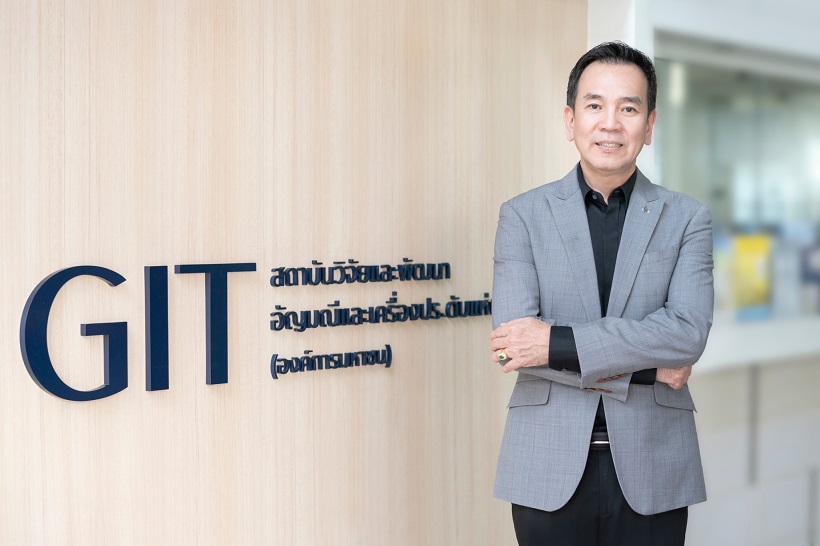
Mr. Sumed Prasongpongchai, Director General of GIT
Image Credit: GIT
These pillars collectively form the backbone of Thailand’s transformation into a sustainability-driven jewelry hub, enhancing global buyer confidence and opening doors to new trade opportunities. The initiative also mitigates risks related to regulatory scrutiny, reputational damage, and environmental liabilities—issues that increasingly define success in the global luxury sector.
Empowering SMEs and Expanding Nationwide by 2026
GIT’s sustainability drive is designed not just for large exporters but also to support small and medium-sized enterprises. Through workshops, advisory services, and technical training, GIT ensures that local artisans and manufacturers can meet international expectations. The program, set to expand through 2026, will integrate sustainable practices across the entire jewelry value chain—from raw material sourcing and gem cutting to retail distribution. This long-term commitment will strengthen Thailand’s reputation for ethical excellence while securing its place among the world’s most trusted jewelry suppliers.
By aligning its industry standards with global sustainability principles, Thailand is not just responding to market trends but actively shaping the future of ethical luxury. As transparency, environmental stewardship, and fair trade become defining features of global commerce, GIT’s initiative positions Thailand as a regional leader in sustainable jewelry manufacturing, fostering both economic growth and global recognition.
For the latest the Thai gems and jewelry market and new initiatives of the GIT, keep on logging to Bangkok Gems News.