

Key points
- Bangkok’s jewelry industry is witnessing a decisive shift in consumer demand at the start of 2026, with retailers across the capital reporting a sharp rise in sales of lab-grown diamond jewelry during January and February.
- For the latest trends in the jewelry retail markets in Bangkok and beyond, keep on logging to Bangkok Gems News.
- From upscale boutiques in Siam to long-established family shops in Silom and the city’s historic gem trading quarters, merchants say customers are increasingly requesting laboratory-created stones over natural diamonds.
Bangkok Gems News: Bangkok’s jewelry industry is witnessing a decisive shift in consumer demand at the start of 2026, with retailers across the capital reporting a sharp rise in sales of lab-grown diamond jewelry during January and February. From upscale boutiques in Siam to long-established family shops in Silom and the city’s historic gem trading quarters, merchants say customers are increasingly requesting laboratory-created stones over natural diamonds.
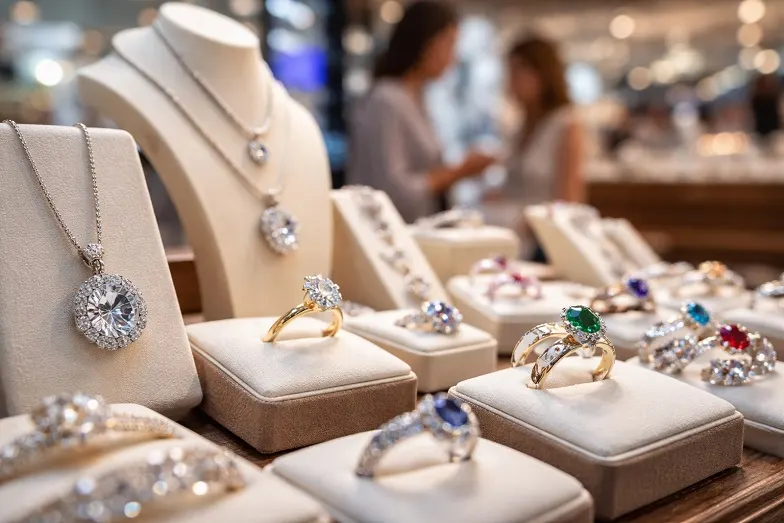
Image Credit: Bangkok Gems News
The early months of the year are typically buoyed by engagements, weddings, and festive gifting. However, this year’s activity has been marked not just by strong foot traffic but by a clear change in purchasing priorities. Buyers are arriving informed, often asking directly for lab-grown options and comparing pricing, certification, and design variations. By mid-February, following Valentine’s Day campaigns, this Bangkok Gems News report observed that several retailers had reallocated prominent display space to lab-grown collections while reducing their emphasis on natural diamond inventory.
Growing Preference for 14K, 18K Gold and Silver
Alongside the rise in lab-grown stones is a notable shift in metal choices. Customers are favoring 14-karat and 18-karat gold settings, describing them as practical, durable, and better suited for daily wear. While higher-karat gold retains cultural importance, particularly in traditional Thai jewelry, modern diamond buyers appear to prefer the balance of strength and elegance offered by lower-karat alloys. The high price of gold is off course the main factor playing in the change of this consumer behavior.
Rhodium-plated silver has also gained traction. Once positioned primarily as a budget alternative, it is now promoted as a contemporary and stylish option that delivers the bright white finish many consumers seek. Retailers say younger buyers, especially first-time purchasers, are drawn to the affordability and versatility of silver paired with lab-grown stones. Social media trends and minimalist aesthetics are further reinforcing this combination.
Design workshops across Bangkok are responding quickly. Jewelers report increased demand for solitaires, halo settings, stackable rings, and tennis bracelets featuring lab-created diamonds. Customization requests have also climbed, as buyers leverage the price advantage of lab-grown stones to select larger carat sizes or more intricate settings without exceeding budgets.
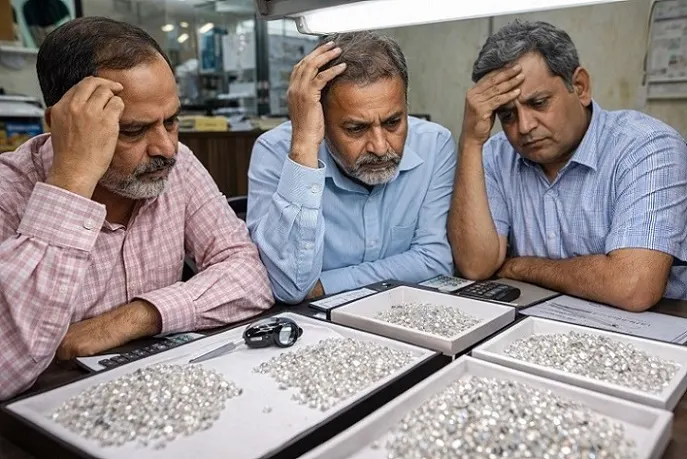
Image Credit: Bangkok Gems News
Colored Gemstones See Renewed Interest
Following lab-grown diamonds, colored gemstones represent the next strongest growth segment. Sapphires, rubies, emeralds, and spinels are drawing renewed attention from customers seeking individuality in engagement rings and statement pieces. Dealers in Bangkok’s gemstone districts say inquiries for vibrant stones have increased steadily over the past two months.
Industry insiders believe this shift reflects a broader desire for personal expression rather than adherence to conventional diamond standards. Bangkok’s established role as a global hub for colored gemstone trading is helping support this emerging demand.
Natural Diamond Sales Decline Rapidly
In contrast, natural diamond sales are declining across all sizes and quality grades. Retailers consistently report weaker turnover and, in some cases, a rise in customers returning previously purchased diamond jewelry or seeking resale options. Shop owners acknowledge that buyback requests have grown, prompting closer scrutiny of inventory and pricing strategies.
Observers attribute the downturn to falling global prices for natural diamonds, heightened transparency surrounding lab-grown alternatives, and evolving perceptions of long-term value. While natural diamonds continue to carry emotional and symbolic appeal, many buyers are prioritizing cost efficiency and modern sensibilities.
The developments of early 2026 suggest a significant realignment in Bangkok’s jewelry market. Retailers are adjusting stock, refining marketing strategies, and adapting to consumer expectations that increasingly favor affordability, customization, and ethical considerations. Whether natural diamonds regain momentum remains uncertain, but the current trajectory signals a transformative year for the industry.
For the latest trends in the jewelry retail markets in Bangkok and beyond, keep on logging to Bangkok Gems News.