

Key points
- Many countries in the Middle-East are however also turning up to become new international gems and jewelry hubs especially the UAE and the city of Dubai and they will likely become strong competitors to India and Thailand in coming times.
- As the global gems and jewelry industry moves steadily into 2026, it finds itself at a critical crossroads shaped by evolving consumer values, technological acceleration, and a renewed emphasis on trust and authenticity.
- Consumers are increasingly asking not just what a gemstone looks like, but where it comes from, who handled it, and what impact its journey had on people and the planet.
Gems and Jewelry News: As the global gems and jewelry industry moves steadily into 2026, it finds itself at a critical crossroads shaped by evolving consumer values, technological acceleration, and a renewed emphasis on trust and authenticity. What was once a tradition-bound industry is now actively redefining itself to remain relevant in a world driven by transparency, personalization, and digital engagement. While beauty and rarity remain at the heart of jewelry, the forces shaping how gems are sourced, designed, marketed, and sold have fundamentally changed.
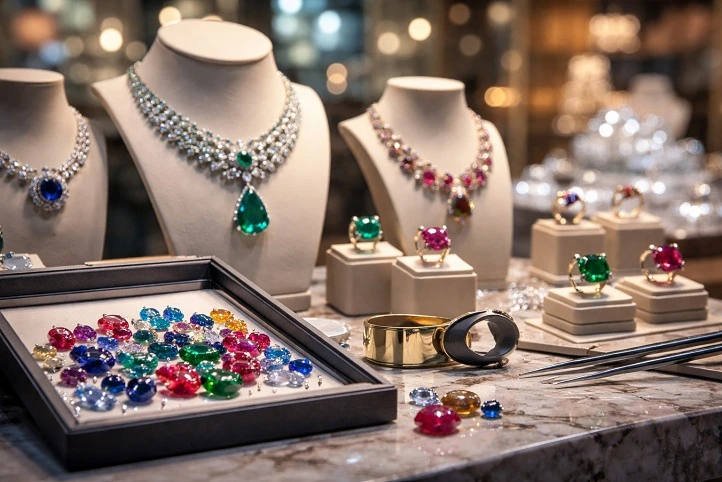
The global gems and jewelry industry steps confidently into a new era
Image Credit: StockShots
The year ahead is expected to be marked by cautious optimism. Demand is stabilizing after years of economic uncertainty, while buyers are returning to the market with clearer expectations. This Gems and Jewelry News report highlights how the industry is learning to balance heritage with innovation, ensuring that time-honored craftsmanship evolves alongside modern consumer demands.
Sustainability Becomes a Non-Negotiable Standard
Sustainability has shifted from a promotional concept to an operational necessity. In 2026, brands and traders are expected to provide verifiable proof of ethical sourcing, responsible mining, and fair labor practices. Consumers are increasingly asking not just what a gemstone looks like, but where it comes from, who handled it, and what impact its journey had on people and the planet.
This growing scrutiny is accelerating the adoption of traceability systems, including digital certification and blockchain-based tracking. Recycled precious metals and environmentally conscious production methods are gaining traction, particularly among younger buyers. While these initiatives require investment, they are also strengthening trust, reducing reputational risk, and setting the foundation for long-term industry credibility.
Technology Reshapes the Value Chain
Technology continues to influence every stage of the gems and jewelry ecosystem. Advanced cutting techniques, powered by data analytics and artificial intelligence, are improving precision and maximizing yield, particularly for diamonds and high-value-colored gemstones. Designers are embracing digital tools that allow for faster prototyping, customization, and experimentation without compromising quality.
Retail is also undergoing a quiet revolution. Virtual showrooms, augmented reality try-ons, and data-driven personalization are becoming integral to the buying experience. In 2026, successful jewelers are those who integrate digital convenience with physical reassurance, creating seamless journeys that blend online discovery with in-store trust.
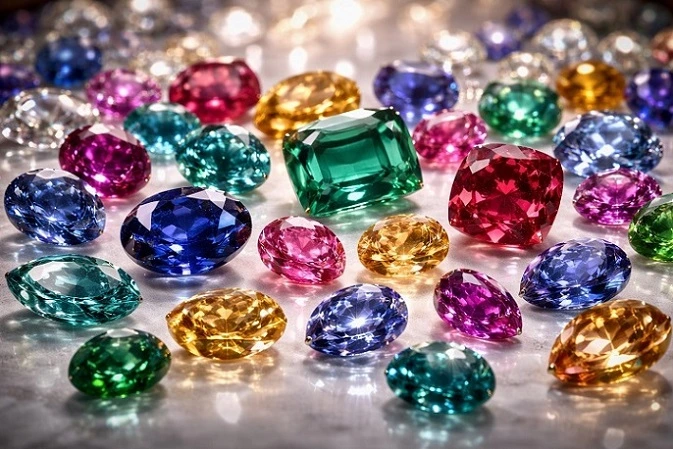
Colourstones are going to be in higher demand in 2026 compared to diamonds
Image Credit: StockShots
Colored Gemstones Rise in Global Appeal
Colored gemstones are emerging as one of the strongest growth segments in the market. Buyers are increasingly drawn to sapphires, spinels, emeralds, tourmalines, and rubies for their individuality and emotional resonance. Unlike standardized diamonds, colored stones offer uniqueness, making them especially attractive to consumers seeking self-expression.
Design trends are reflecting this shift, with bolder settings, mixed metals, and unconventional color combinations gaining popularity. Gender-neutral jewelry and bespoke pieces are also expanding the appeal of colored gemstones across diverse demographics. This renewed demand is strengthening trading centers and cutting hubs that specialize in color expertise.
Asia Consolidates Its Strategic Position
Asia continues to assert its influence as both a production hub and a growing consumer market. Countries such as Thailand, India, and China are strengthening their roles across manufacturing, gemstone trading, and retail. Skilled artisanship, competitive production capabilities, and expanding middle-class demand are positioning the region as a cornerstone of global growth.
Bangkok, in particular, remains a vital link between gemstone origins and international markets. Its expertise in colored gemstones, combined with strong infrastructure and global connectivity, reinforces its standing as a trusted center for sourcing, trading, and innovation within the industry.
Many countries in the Middle-East are however also turning up to become new international gems and jewelry hubs especially the UAE and the city of Dubai and they will likely become strong competitors to India and Thailand in coming times.
Changing Consumer Mindsets Redefine Luxury
The jewelry consumer of 2026 is informed, values-driven, and emotionally motivated. Purchasing decisions are shaped by personal stories, cultural meaning, and brand integrity rather than status alone. Buyers are gravitating toward pieces that symbolize milestones, identity, and longevity.
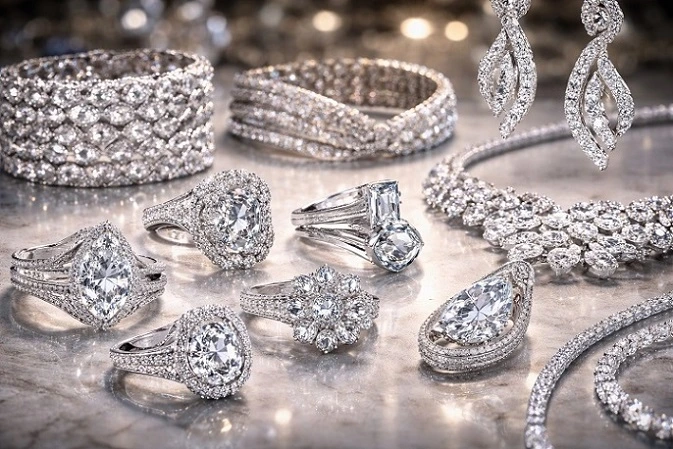
The lab-grown diamond jewelry market will continue grow in 2026
Image Credit: StockShots
Luxury itself is being redefined. Subtle elegance, versatility, and craftsmanship are taking precedence over excess. Jewelry that can transition across occasions and generations is gaining favor, encouraging brands to focus on timeless design and enduring value rather than fleeting trends.
Trade Resilience and New Market Strategies
Despite ongoing geopolitical uncertainties and economic fluctuations, the gems and jewelry sector is demonstrating resilience. Businesses are diversifying supply chains, adjusting inventory strategies, and exploring new regional markets to mitigate risk. Digital trade platforms and international partnerships are enabling smaller players to access global opportunities with greater efficiency.
Collaboration is becoming an essential strategy. Partnerships across mining, manufacturing, design, and retail are fostering innovation while strengthening supply chain stability. In 2026, cooperation is no longer optional but a competitive advantage.
The Road Ahead for the Global Trade
Looking ahead, the gems and jewelry industry is poised for a period of thoughtful growth rather than rapid expansion. The path forward requires adaptability, transparency, and a renewed commitment to craftsmanship. Those who successfully align ethical responsibility with technological advancement and authentic storytelling will define the industry’s future.
The enduring appeal of gems and jewelry lies in their ability to connect human emotion with natural beauty. As expectations continue to evolve, the industry’s challenge will be to preserve that emotional core while meeting modern demands for accountability and innovation. The coming year offers an opportunity to strengthen trust, deepen creativity, and build lasting value across the global marketplace.
For the latest Gems and Jewelry News, keep on logging to Bangkok Gems News.