

Key points
- ” It is typically a mix of 75 percent pure gold combined with metals such as nickel, silver, or palladium, resulting in a slightly yellowish or gray tone.
- The result is a metal that retains its color over time, offering a consistent and polished look without the maintenance typically required by traditional white gold pieces.
- Cartier, for example, has introduced versions of white gold that avoid rhodium plating, though these tend to have a warmer, slightly creamy tone compared to the brighter finish achieved with manganese alloys.
Gems and Jewelry News: As global gold prices continue their upward climb, luxury jewelry houses are quietly reshaping the materials behind their most iconic pieces. Rising raw material costs have forced designers and manufacturers to rethink traditional alloys, leading to the emergence of a lesser-known but increasingly influential innovation: manganese white gold. This alternative alloy is gaining traction among high-end brands seeking both aesthetic excellence and economic efficiency without compromising prestige.
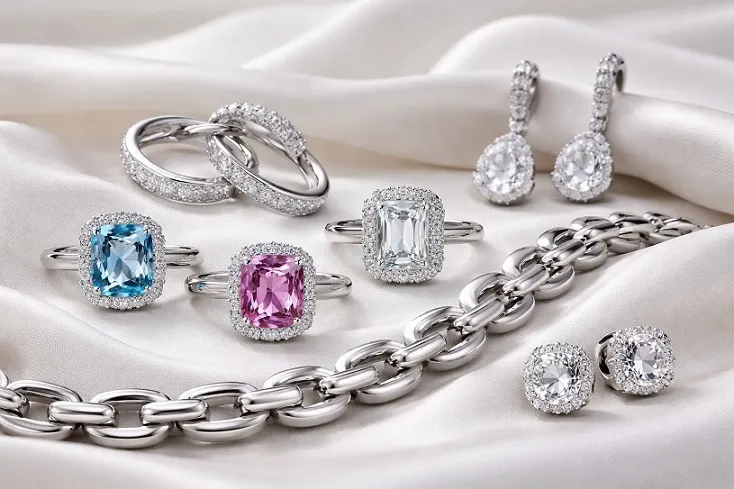
Image Credit: Bangkok Gems News
Traditionally, white gold has never truly been “white.” It is typically a mix of 75 percent pure gold combined with metals such as nickel, silver, or palladium, resulting in a slightly yellowish or gray tone. To achieve the bright white finish consumers expect, jewelers apply a thin coating of rhodium—a rare and expensive metal. However, as rhodium prices remain volatile and gold itself becomes more costly, this Gems and Jewelry News report highlights how manufacturers are now exploring ways to eliminate recurring plating processes while maintaining brilliance and durability.
A Shift Toward Innovation in Luxury Jewelry
Among the pioneers of this shift is Italian luxury house Pomellato, which has been instrumental in popularizing manganese white gold. This bespoke 18-karat alloy incorporates manganese to create a naturally bright white finish, removing the need for rhodium plating altogether. The result is a metal that retains its color over time, offering a consistent and polished look without the maintenance typically required by traditional white gold pieces.
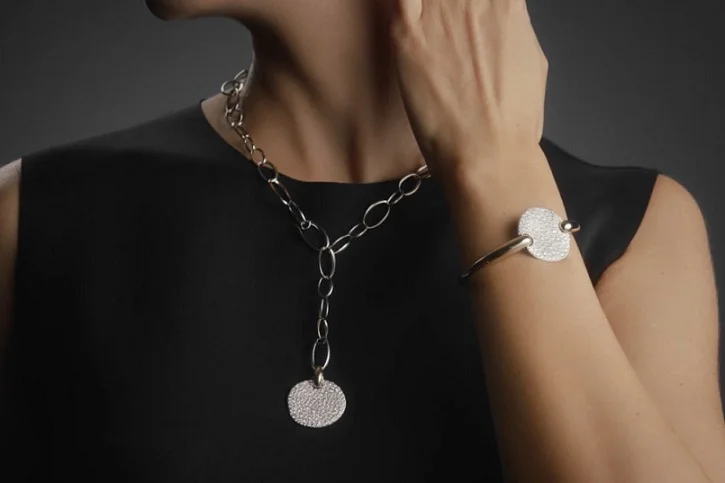
Image Credit: Pomellato
Pomellato has integrated this alloy into its signature collections, including its widely recognized Nudo line and contemporary chain designs. These pieces often feature vibrant gemstones and diamonds, where the neutral, cool tone of manganese white gold enhances the overall visual clarity and modern appeal. The absence of rhodium also ensures that the metal’s color remains stable, even with daily wear.
Cost Efficiency Meets Consumer Convenience
One of the most compelling drivers behind the adoption of manganese white gold is cost reduction. Rhodium plating is not only expensive at the production stage but also requires periodic reapplication, typically every one to two years, depending on wear. By eliminating this step entirely, jewelry houses can significantly reduce both manufacturing costs and long-term maintenance expenses for customers.
For consumers, this translates into jewelry that is easier to care for and more durable in everyday use. The color is embedded throughout the alloy rather than sitting on the surface, meaning it will not fade or reveal underlying tones over time. This durability makes manganese white gold particularly attractive for frequently worn items such as rings, bracelets, and necklaces.
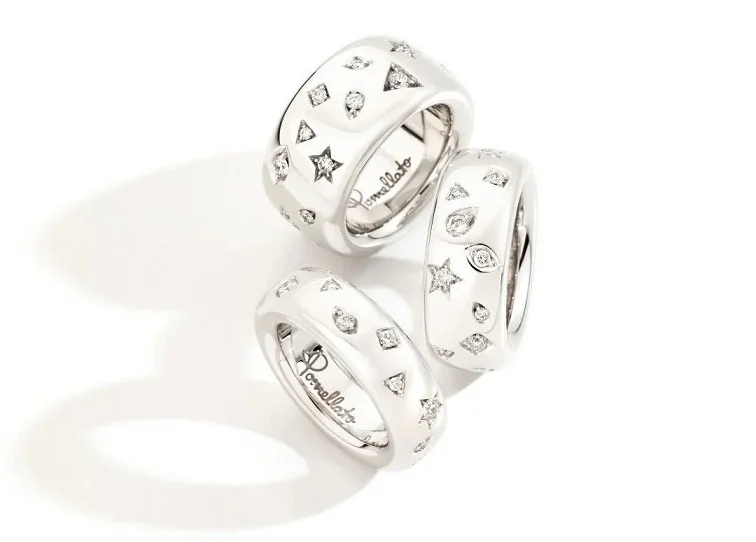
Image Credit: Pomellato
Industry Trends and Competitive Responses
While Pomellato remains at the forefront, other luxury brands are also experimenting with non-rhodium white gold alternatives. Cartier, for example, has introduced versions of white gold that avoid rhodium plating, though these tend to have a warmer, slightly creamy tone compared to the brighter finish achieved with manganese alloys.
The broader industry shift suggests a growing recognition that consumers are not only seeking beauty but also practicality and sustainability. Reducing reliance on rhodium—a metal associated with complex supply chains—aligns with evolving preferences for transparency and long-term value.
A New Standard in the Making
The rise of manganese white gold reflects a deeper transformation within the jewelry sector, where innovation is increasingly driven by both economic pressures and changing consumer expectations. As gold prices remain elevated, the adoption of alternative alloys is likely to accelerate, potentially redefining what customers perceive as “standard” in luxury jewelry.
What makes this transition particularly noteworthy is that it does not sacrifice elegance for efficiency. Instead, it enhances both. Jewelry crafted from manganese white gold offers a cleaner, brighter appearance while addressing long-standing issues associated with traditional white gold. As more houses adopt this approach, the industry may be witnessing the early stages of a lasting shift in how fine jewelry is designed, produced, and maintained.
With evolving material science and continued market pressures, manganese white gold is poised to move from niche innovation to mainstream luxury staple, offering a compelling balance of beauty, durability, and cost-effectiveness that resonates strongly with modern buyers.
For the latest Gems and Jewelry News, keep on logging to Bangkok Gems News.