

Key points
- India’s dramatic decision to sharply raise import duties on gold, silver and platinum is sending shockwaves through the global gems and jewelry industry, with traders, manufacturers and bullion dealers warning that the move could reshape demand patterns and revive underground smuggling networks across the region.
- These include promoting lower-karat gold jewelry, encouraging consumers to exchange old jewelry for new pieces, and discouraging investment in gold bars and coins, which currently account for a large portion of India’s bullion imports.
- The Indian government has officially increased the effective import duty on gold and silver to 15% from the earlier 6%, while platinum imports now face a 15.
Gems and Jewelry News: India’s dramatic decision to sharply raise import duties on gold, silver and platinum is sending shockwaves through the global gems and jewelry industry, with traders, manufacturers and bullion dealers warning that the move could reshape demand patterns and revive underground smuggling networks across the region.
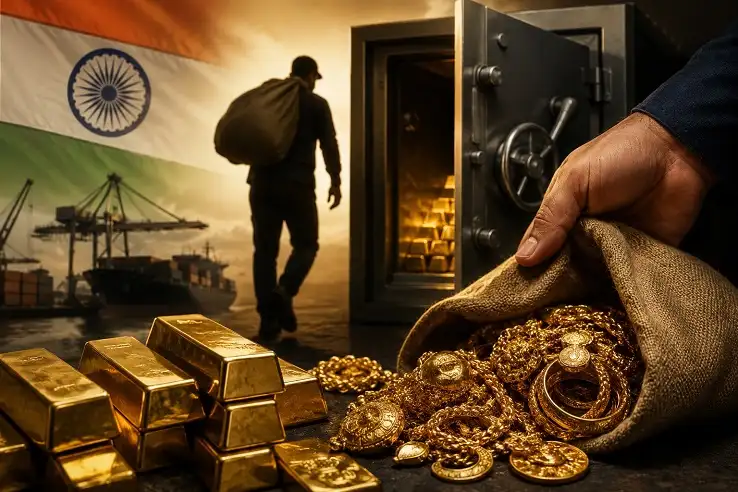
Credit Image: Bangkok Gems News
The Indian government has officially increased the effective import duty on gold and silver to 15% from the earlier 6%, while platinum imports now face a 15.4% tariff. Authorities say the measure is necessary to rein in surging imports of precious metals that have placed enormous pressure on the country’s foreign-exchange reserves and widening trade deficit. India, the world’s second-largest consumer of gold, imported nearly $72 billion worth of gold last year alone, according to industry data. In the midst of growing concern over the nation’s financial stability, this Gems and Jewelry News report finds that policymakers are now attempting to discourage excessive bullion buying and stabilize the struggling rupee.
Indian Prime Minister Narendra Modi has also publicly appealed to citizens to voluntarily postpone nonessential gold purchases for at least a year. The appeal comes at a time when investment demand for gold in India has exploded due to volatile equity markets and soaring bullion prices. Demand through gold exchange-traded funds has surged sharply, with the World Gold Council reporting record inflows during the March quarter.
Industry Faces Immediate Pressure
The Gem and Jewellery Export Promotion Council (GJEPC) acknowledged the government’s “Nation First” stance but expressed serious concerns over the economic fallout for the jewelry sector. Industry leaders fear the higher taxes will squeeze liquidity for small and mid-sized manufacturers, many of whom already operate under narrow profit margins.
According to the council, nearly 80% of its membership consists of smaller businesses that may now struggle with rising costs and reduced customer demand. Retailers and manufacturers have urged the government to consider long-term solutions rather than relying heavily on taxation.
To help ease pressure on imports, industry stakeholders have proposed several voluntary measures. These include promoting lower-karat gold jewelry, encouraging consumers to exchange old jewelry for new pieces, and discouraging investment in gold bars and coins, which currently account for a large portion of India’s bullion imports.
Smuggling Concerns Return
Perhaps the biggest concern emerging from the new policy is the possible return of large-scale gold smuggling into India. Analysts and bullion dealers warn that widening price differences between official and unofficial markets could once again make illegal gold imports highly profitable.
Industry insiders say smuggling activity had declined after India reduced import duties in mid-2024, but the latest tariff increase may reverse that trend rapidly. Dealers believe organized grey-market networks could take advantage of elevated domestic gold prices and massive consumer demand.
Banks had already temporarily reduced imports after India imposed a 3% integrated goods and services tax on precious metals earlier this year. Imports subsequently fell to near 30-year lows during April, highlighting how sensitive the market has become to government intervention.
Economic Gamble with Global Impact
While the Indian government hopes the higher tariffs will strengthen macroeconomic stability, the move is being viewed internationally as a high-risk balancing act. Gold remains deeply embedded in Indian culture, weddings, savings traditions and investment strategies, making demand difficult to suppress even during periods of elevated prices.
Many analysts believe the new policy may temporarily reduce official imports, but it could also drive consumers toward unofficial channels while increasing costs for legitimate jewelry exporters. The coming months are expected to determine whether the government’s aggressive strategy succeeds in stabilizing the economy or unintentionally fuels a parallel market for precious metals once again.
For the latest Gems and Jewelry News, keep on logging to Bangkok Gems News.