

Key points
- has resumed operations across Indonesia after months of scrutiny by customs authorities, bringing an end to a high-profile enforcement case that has drawn significant attention throughout the luxury retail sector.
- ‘s stores have now reopened and customer operations have returned to normal, the case serves as a reminder that both international luxury brands and their local distribution partners face growing expectations regarding transparency, documentation, and tax compliance.
- As Indonesia strengthens its efforts to curb illicit imports and maximize revenue collection, the luxury goods sector is expected to remain under close government scrutiny for the foreseeable future.
Gems and Jewelry News: Tiffany & Co. has resumed operations across Indonesia after months of scrutiny by customs authorities, bringing an end to a high-profile enforcement case that has drawn significant attention throughout the luxury retail sector. The renowned jewelry brand, owned by LVMH Moët Hennessy Louis Vuitton, was permitted to reopen its three Jakarta boutiques after the settlement of a substantial customs-related penalty stemming from alleged import violations.
The reopening marks a significant development in Indonesia’s ongoing efforts to tighten oversight of imported luxury goods. Authorities had ordered the closure of Tiffany & Co. stores in late February 2026 following concerns over import documentation, tax obligations, and the declaration of high-value merchandise.

Image Credit: Tiffany
During the subsequent investigation, this Gems and Jewelry News report notes that customs officials conducted a comprehensive audit that resulted in a bill totaling Rp97.49 billion, equivalent to approximately US$6.1 million, covering unpaid duties, taxes, value-added tax obligations, income tax liabilities, and administrative sanctions.
Finance Minister Personally Oversees Reopening
Indonesia’s Finance Minister, Purbaya Yudhi Sadewa, personally attended the removal of customs seals at Tiffany & Co.’s Plaza Indonesia boutique in Central Jakarta on June 8. His appearance underscored the importance the government has placed on enforcing customs regulations and ensuring compliance among international luxury brands operating in the country.
Following the unsealing process, all three affected Tiffany & Co. outlets, including those located at Plaza Indonesia, Plaza Senayan, and Pacific Place, were allowed to resume normal business activities. The minister’s direct involvement has been widely interpreted as a strong signal that Indonesian authorities intend to maintain strict oversight of luxury imports.
Distributor Takes Responsibility
The case has largely centered on import activities managed by Sumaco Wahana Utama, the independent distributor responsible for Tiffany & Co. products in Indonesia. Company director Celina Tarigan emphasized that the customs review relates specifically to import documentation and procedures handled by the local distributor rather than Tiffany & Co. itself.
According to Tarigan, several import records remain under final verification, and the company expects to complete all outstanding obligations with the Directorate General of Customs and Excise by June 26. She reiterated the distributor’s commitment to transparency, regulatory compliance, and corporate responsibility throughout the process.
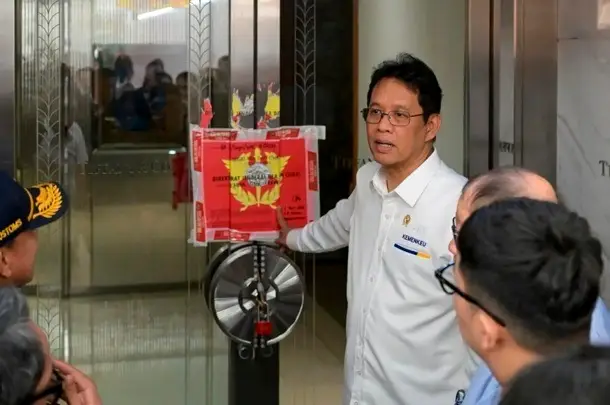
Image Credit: Indonesian Finance Ministry
Notably, Tiffany & Co. paid the assessed penalties and agreed to comply with all applicable regulations while making no admission of wrongdoing regarding the allegations.
Wider Luxury Sector Under Scrutiny
The Tiffany investigation is part of a broader campaign launched under President Prabowo Subianto’s administration targeting undeclared luxury imports and suspected smuggling activities. Authorities initially cited concerns involving under-invoicing and undeclared shipments of high-value jewelry products.
Industry observers note that Tiffany’s case is not unique. Around the same period, Jakarta-based diamond retailer Bening Luxury was also closed amid a customs investigation and remains shuttered as authorities continue their review.
The developments highlight a changing regulatory landscape for luxury retailers in Indonesia, where stricter customs enforcement is increasingly becoming a priority. While Tiffany & Co.’s stores have now reopened and customer operations have returned to normal, the case serves as a reminder that both international luxury brands and their local distribution partners face growing expectations regarding transparency, documentation, and tax compliance. As Indonesia strengthens its efforts to curb illicit imports and maximize revenue collection, the luxury goods sector is expected to remain under close government scrutiny for the foreseeable future.
Thai officials should also take note of developments in Indonesia and maybe also enforce closer scrutiny on all the various luxury brands operating in Thailand.
For the latest on Tiffany, visit:
https://www.international.tiffany.com
For the latest Gems and Jewelry News, keep on logging to Bangkok Gems News.